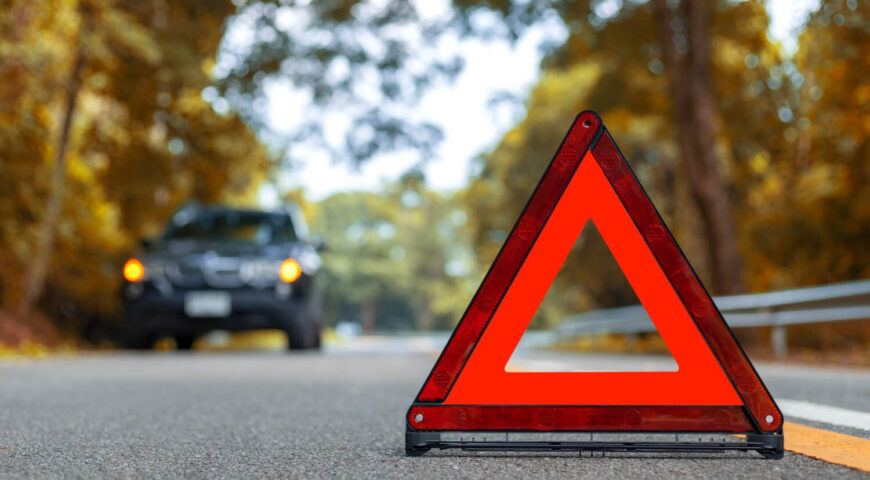
Roadside Emergencies Every Driver Should Be Prepared For
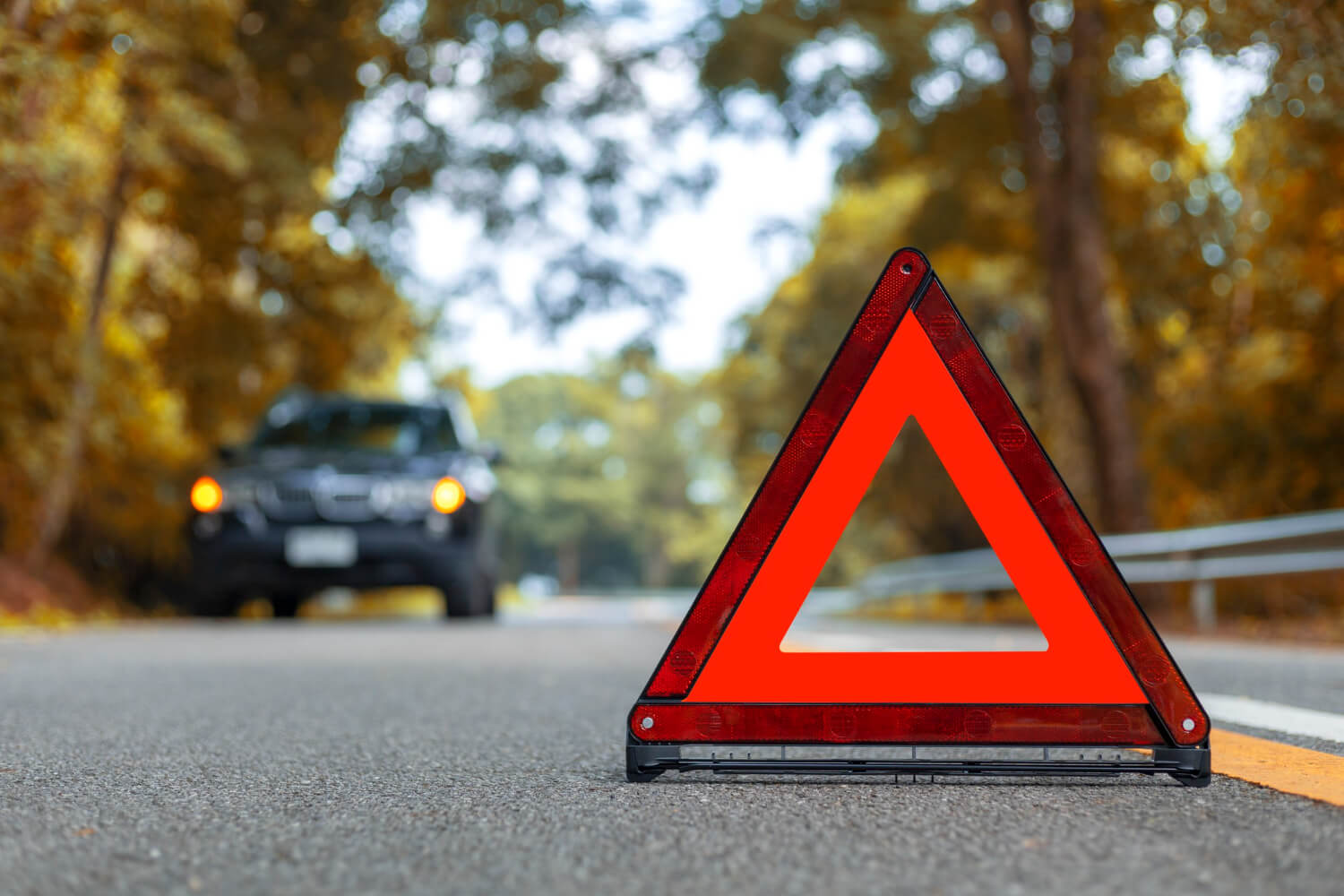
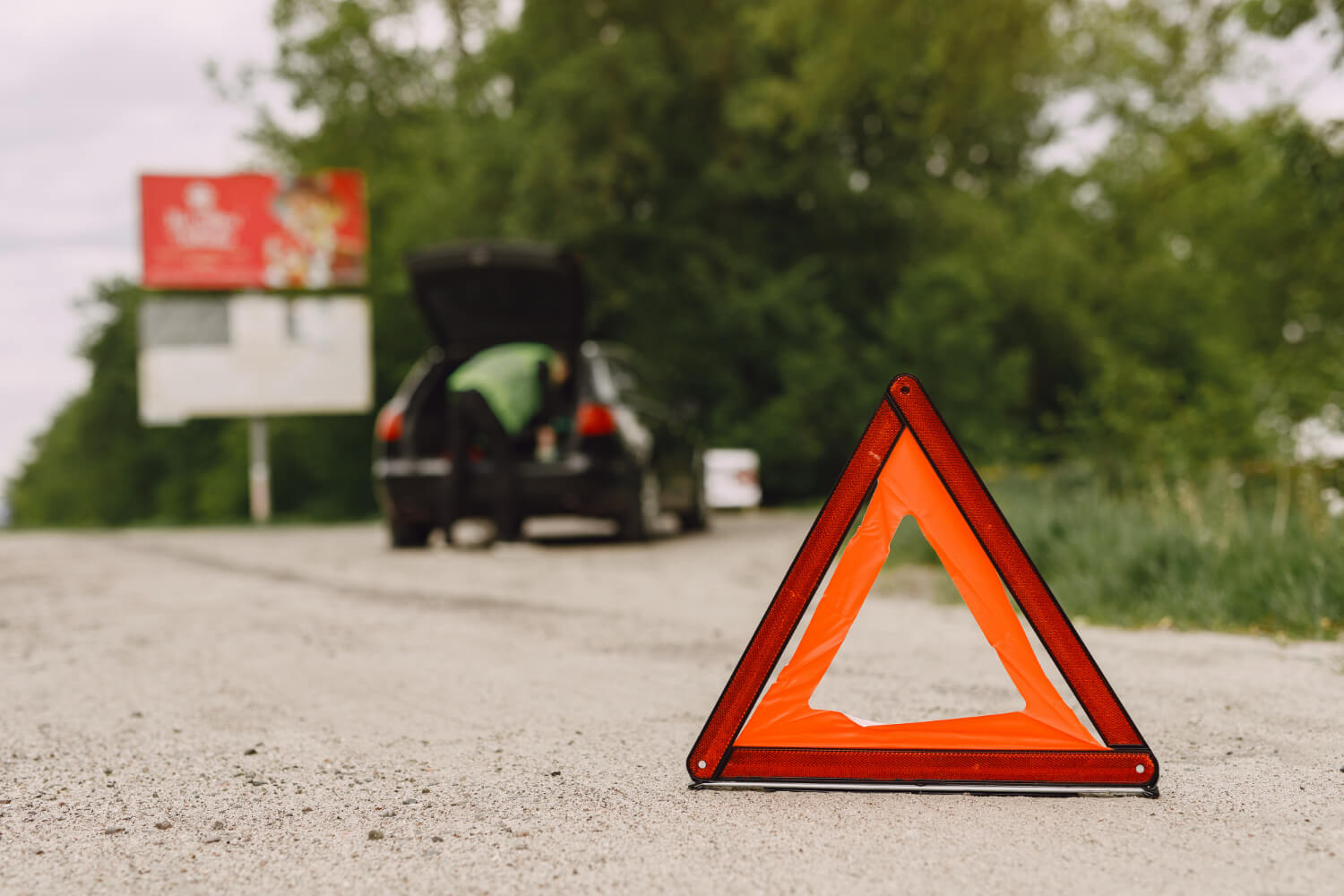
Being used to being on the road means it’s easier to assume you will reach your destination without problems. However, roadside emergencies can happen to anyone at any time, including flat tyres, engine failure, accidents, or medical emergencies. These can leave you stranded and vulnerable, especially if you are travelling alone, at night, far from help and in unfamiliar territory.

Home Alone Emergencies: What To Do Before Help Arrives
Being home alone can feel calm and comfortable… until something unexpected happens.
A sudden fall, chest pain, or even the smell of gas can quickly turn an ordinary moment into a stressful situation. When no one else is around, you become the first responder. In those critical moments, what you do before help arrives can make all the difference.
The good news is that you don’t need medical training to respond effectively. Staying calm and knowing a few key steps can help you stay safe while waiting for assistance.

Chronic Conditions And Emergency Risk: What You Should Know
Chronic conditions are a reality for millions of people, affecting how the body functions over time and requiring ongoing management. While most of these conditions can be controlled with the right treatment and lifestyle adjustments, they also carry an increased risk of medical emergencies, especially when symptoms are overlooked, triggers are ignored or care is delayed. Read on to learn more about the emergency risks posed by chronic conditions.
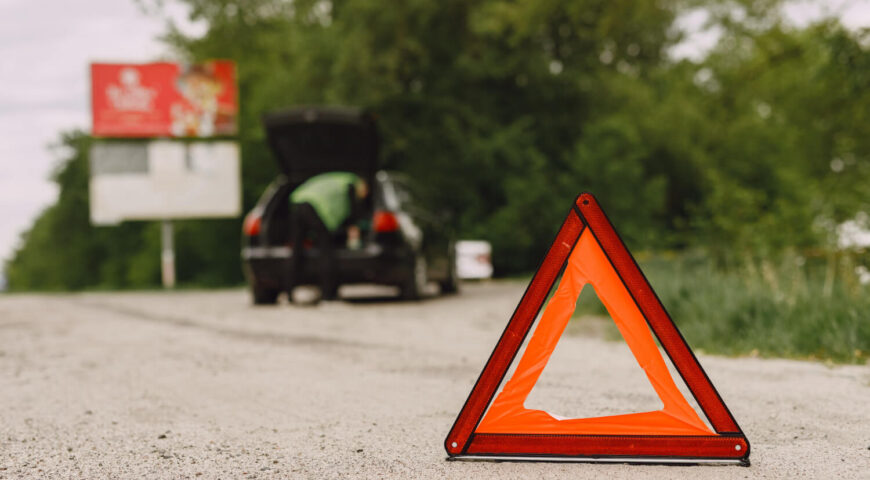
Easter Road Safety: Why Long Weekends See A Surge In Emergencies
Easter is one of the busiest travel periods for most people countrywide. This is the time when families reunite, holiday plans take shape, and long-distance travel becomes the norm in a short space of time. The Easter long weekend sees freeways filling up as millions of people take to the roads.

How Emergency Services Prioritise Calls
When an emergency occurs, the expectation that help arrive as quickly as possible is straightforward. Yet, behind these expectations, every critical response relies on a system that must make rapid decisions about who needs help first, what type of response is required and how to allocate limited resources across multiple incidents happening at the same time. Read on to discover how emergency services prioritise calls.

Lightning Safety And What You Can Do During Severe Thunderstorms
Severe thunderstorms without warning are common as seasons shift from Summer to Autumn. While heavy rain, strong winds and hail can all cause damage, lightning remains one of the most dangerous and unpredictable elements of a storm. Read on to learn more about lightning and safety, and ways to ensure safety during a severe thunderstorm.
The Link Between Infrastructure Failure And Crime Risk
Infrastructure-related issues are often seen as problems that only affect convenience and service delivery. Roads, streetlights, water systems and power networks are seen as essential for daily life, but their role in public safety is sometimes overlooked. When infrastructure fails, the consequences extend far beyond inconvenience and can create volatile environments where crime becomes easier to commit and harder to prevent.

Why Children Should Be Taught To Identify Emergencies Early
Your children could encounter risks far more frequently than you might realise. They are constantly exposed to potential hazards at home, at school, or on the road.