
Roadside Emergencies Every Driver Should Be Prepared For
Being used to being on the road means it’s easier to assume you will reach your destination without problems. However, roadside emergencies can happen to anyone at any time, including flat tyres, engine failure, accidents, or medical emergencies. These can leave you stranded and vulnerable, especially if you are travelling alone, at night, far from help and in unfamiliar territory.
While it is impossible to predict every emergency you might experience in a lifetime, being someone who stays prepared can make a major difference. Knowing what to expect, how to respond and when to call for help are some simple tips that can reduce panic and improve safety for you and your loved ones. Read on to learn more about roadside emergencies every driver should be prepared for.
Why Roadside Emergencies Happen
Roadside emergencies can happen for many reasons. For instance, some are caused by poor vehicle maintenance, while others are linked to weather, traffic conditions, or unexpected incidents on the road. Most importantly, it doesn’t matter how careful you are; these are situations that can suddenly happen and not give you enough time to react proactively and avoid life-threatening consequences.
Common Causes of Roadside Emergencies
Flat Tyres
A flat tyre is one of the most common roadside emergencies. Daily exposure to hazards such as potholes, debris, worn tyres or underinflation can all increase the risk of a puncture or blowout. If you notice that you are experiencing a flat tyre, it’s advisable to:
- Slow down gradually.
- Avoid braking suddenly.
- Pull over to a safe location away from traffic.
- Turn on your hazard lights.
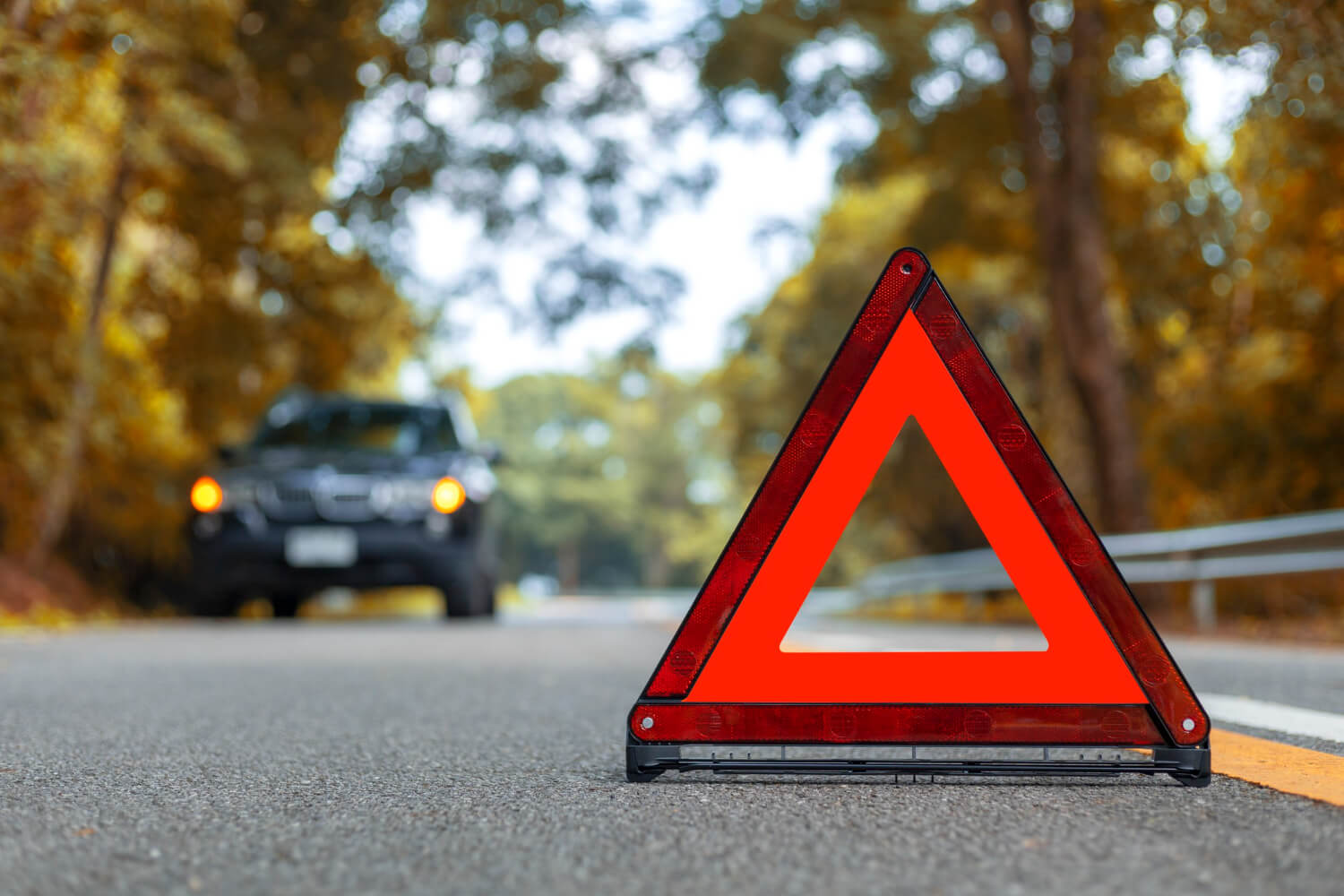
- Use reflective triangles if you have them.
- Use the FREE-to-use iER App to request roadside assistance.
Dead Battery
A dead battery can leave you stranded unexpectedly, especially during colder weather or after leaving your vehicle lights on by accident. Keeping jumper cables in your car and having your battery checked regularly can help reduce the risk of being caught off guard, especially when travelling far from home. However, a weak battery is most likely to give you these Warning signs before it fails you:
- Difficulty starting the vehicle.
- Dim headlights.
- Unusual electrical issues.
- Clicking sounds when turning the key.
Engine Overheating
An overheating engine is one of those mechanical failures that can cause serious damage if ignored. This is especially common during long-distance travel, hot weather or stop-start traffic. You might notice a rising temperature gauge, a burning smell or steam coming from under the bonnet.
If your engine starts overheating, you should pull over safely and turn it off. If you can wait and assess it yourself, ensure you avoid opening the radiator cap as the hot steam can cause severe burns. However, seek immediate roadside assistance through the multi-award-winning iER App if you are unable to identify or fix the problem.
Running Out of Fuel
While running out of fuel may seem like an avoidable roadside emergency, it can still happen more often than most people think, especially during long trips or when fuel stations are far apart. If you find yourself in this predicament and run out of fuel, move your vehicle to a safe area, if possible, and call for roadside assistance. To avoid this becoming an emergency, ensure you:
- Refill before your tank becomes too low.
- Plan your route.
- Be aware of fuel station availability in remote areas.
- Don’t assume you know your car.
Mechanical Failure
What most people don’t realise is that mechanical problems can happen even in well-maintained vehicles. Issues such as brake failure, steering problems, transmission issues or broken belts can contribute to an unsafe driving experience. If you notice any unusual noises, warning dashboard lights, burning smells or difficulty controlling the steering or braking system, you should stop the car as soon as it’s safe to do so.
Accidents and Collisions
Accidents are among the most serious roadside emergencies because they may involve injuries, damaged vehicles and hazardous conditions. Even minor accidents should be taken seriously, as some injuries may not become apparent immediately. If you are involved in an accident:
- Check for injuries.
- Move to a safe area if possible.
- Turn on hazard lights.
- Use the FREE-to-use iER to call for emergency assistance.
- Avoid standing in active traffic lanes.
- Move injured persons only if it’s safe to do so.
Medical Emergencies While Driving
Not all roadside emergencies will involve the vehicle itself. As a driver or one of your passengers may experience sudden medical issues that require urgent attention. If someone experiences a medical emergency such as chest pain, difficulty breathing or seizures, you should pull over immediately and use the multi-award-winning iER App to connect to nearby emergency medical assistance.
Dangerous Weather Conditions
The change of seasons can bring extreme weather, increasing the risk of roadside emergencies. For instance, heavy rain, hail, flooding, strong winds or fog can reduce visibility and make roads more dangerous. It is always better to delay travel than risk an accident in dangerous conditions, but if you have no choice but to drive in poor weather:
- Slow down.
- Increase the following distance.
- Use headlights when necessary.
- Avoid flooded roads.
- Pull over if visibility becomes too poor.
What Every Driver Should Keep in the Car
Being prepared for roadside emergencies starts with having the right supplies in your vehicle and by downloading the multi-award-winning iER App from the Google Play Store, the Apple App Store, or the Huawei App Gallery. Most importantly, you should consider keeping these items with you to help you manage emergencies more effectively while waiting for assistance:
- A first aid kit.
- Reflective triangles.
- A torch.
- Jumper cables.
- A spare tyre and jack.
- Bottled water.
- A phone charger.
- A blanket.
Roadside emergencies are usually stressful and can catch you off guard since they often happen without warning. However, preparation can make a major difference, and knowing what to do can help reduce panic and improve safety while waiting for appropriate help. The FREE-to-use iER App ensures you have 24/7 access to immediate roadside assistance when a roadside emergency occurs, because acting quickly helps protect lives and ensures the right support as soon as possible.