
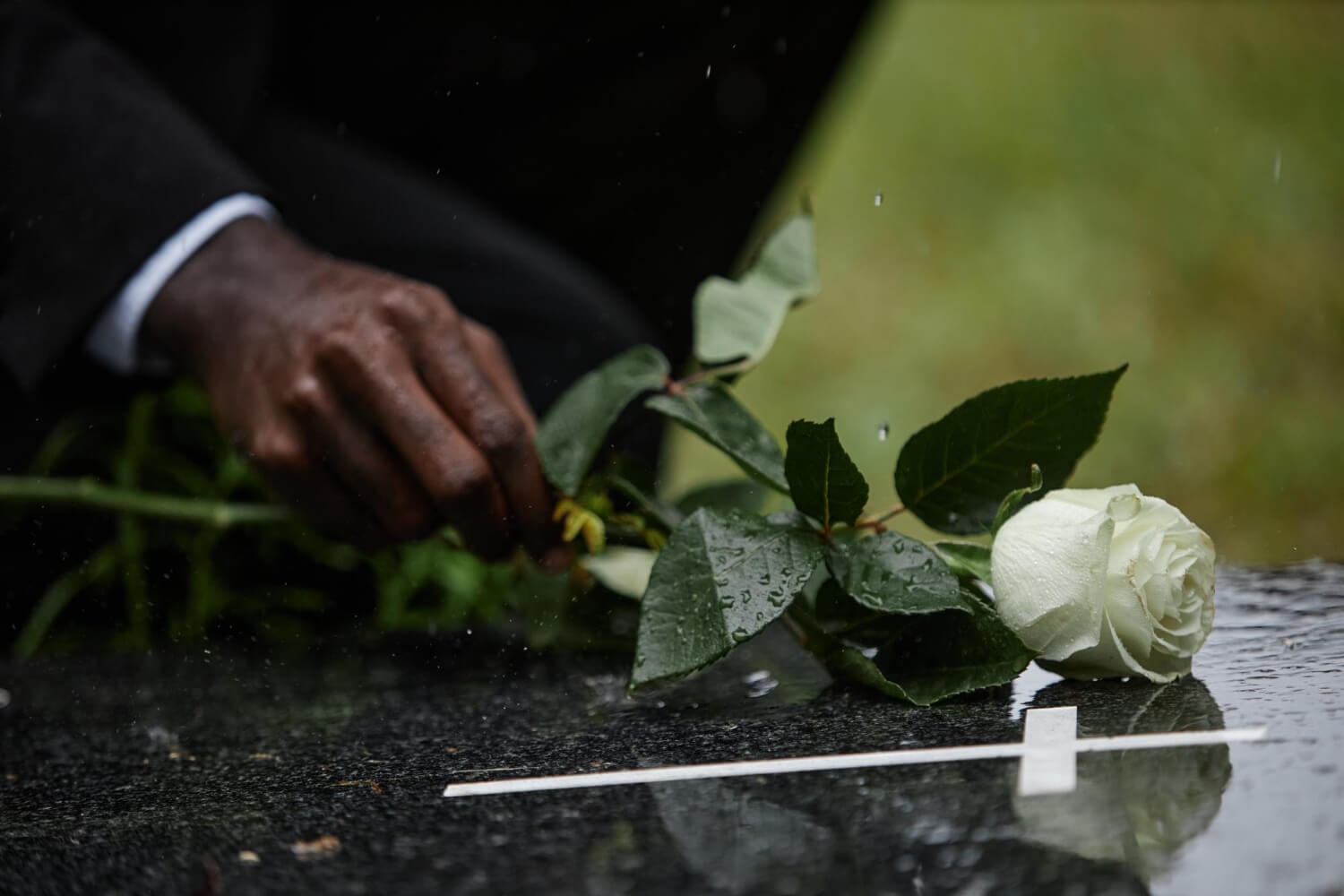
What To Do In The First 24 Hours After A Sudden Death
Losing a loved one unexpectedly is one of life’s most difficult experiences. In the hours that follow, emotions can be overwhelming, making it hard to think clearly or know what needs to happen next.
While every situation is different, understanding the first steps can help reduce uncertainty during an incredibly difficult time. You do not need to do everything at once, but knowing who to contact and what to expect can make the process a little easier.
Stay Calm and Make Sure Everyone Is Safe
If a sudden death occurs at home, your first priority should be to make sure everyone present is safe and supported. If the person is unresponsive and you are unsure whether they have passed away, contact emergency services immediately. Do not assume someone has died without medical confirmation. Emergency responders will assess the situation and determine the appropriate next steps.
The award-winning, FREE-to-use iER App helps users quickly access emergency medical assistance.
If family members, especially children, are present, try to move them to a quiet area away from the scene while support is arranged.
Contact Emergency Services
When a death occurs unexpectedly, emergency services should always be contacted. Depending on the circumstances, paramedics, SAPS, or Forensic Pathology Services may need to attend the scene. If the death is sudden, unexplained, accidental, suspicious, or occurs outside of a healthcare facility, it may need to be investigated before the deceased can be released to the family.
It is important not to move the deceased or disturb the surrounding area unless instructed by emergency personnel.
Understanding What Happens Next
Few families are familiar with the legal procedures that follow a sudden death. If the death is referred for investigation, SAPS and Forensic Pathology Services will explain the next steps and advise the family about what to expect.
Although this process can feel overwhelming, it is a routine legal procedure that helps establish the cause of death where required. Understanding what is happening can help reduce some of the uncertainty during an already emotional time.
Notify Close Family Members
Once emergency services have attended and the immediate procedures are underway, begin informing close family members or trusted friends. You do not have to make every phone call yourself. Accepting help from relatives or close friends can ease some of the pressure while allowing you to focus on your family.
Having someone with you can also provide emotional support during important decisions.
Contact a Funeral Service Provider
Once the necessary legal processes have been completed or permission has been granted, a funeral service provider can begin assisting the family. They can help with transporting your loved one, arranging the funeral, guiding you through the required documentation, and explaining the next steps.
Many funeral service providers also assist families with practical arrangements, helping ease some of the burden during a difficult time.
Look After Yourself and Your Family
Shock affects everyone differently. Some people shed tears, while others feel numb or struggle to process what has happened. Try to drink enough water, eat something light, and rest where possible. Accept offers of help from family, friends, neighbours, or your faith community.
Children may also need reassurance and simple, honest explanations appropriate to their age. Keeping familiar routines where possible can help them feel more secure during an uncertain time.
Support When Families Need It Most
The first 24 hours after a sudden death can be overwhelming, with many important decisions needing to be made while families are still coming to terms with their loss.
The award-winning, FREE-to-use iER App allows users to report medical and non-medical emergencies instantly, helping connect families to the appropriate assistance as quickly as possible. Once an emergency alert is activated, the Live Tracking feature automatically shares the user’s location with the iER control room, helping response teams locate the scene faster.
Beyond the initial emergency response, iER also provides practical support that many families may not realise is available. Depending on the circumstances, iER can assist with coroner services, repatriation if a loved one needs to be transported to another city or province, and professional crime scene clean-up following traumatic incidents.
Taking One Step at a Time
The first 24 hours after a sudden death can feel overwhelming, but you do not have to manage everything immediately. Focus on contacting emergency services, supporting your loved ones, and accepting help from those around you.
Taking one step at a time allows you to focus on what matters most while experienced professionals guide you through the practical arrangements ahead.