
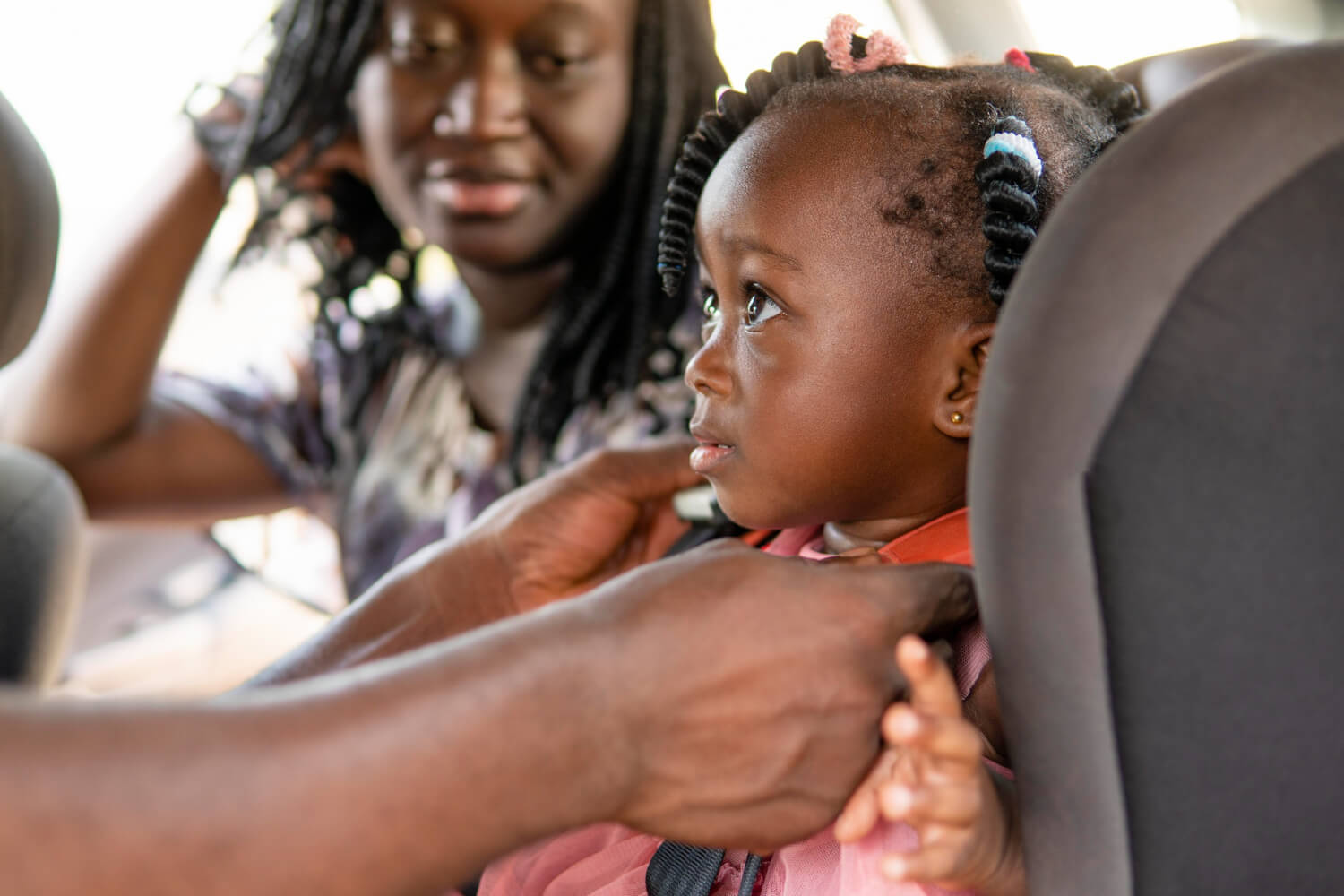
Child Car Seat Safety: 5 Mistakes Parents Should Avoid
Driving with children is part of everyday life for many families. Whether you’re taking them to school, visiting relatives, or heading away for the weekend, keeping young passengers safe should always be a priority.
Many parents believe that simply using a car seat is enough. However, it also needs to be the right seat, fitted correctly, and used every time. Even a short trip close to home can become dangerous if a child is not properly restrained.
Here are five common car seat mistakes you should avoid.
1. Moving Your Child to the Next Seat Too Soon
One of the most common mistakes parents make is moving a child into the next type of car seat too soon. Babies and young children should remain in a rear-facing car seat for as long as possible, following the manufacturer’s height and weight guidelines. Many child passenger safety experts also recommend keeping children rear-facing until at least four years of age, provided they remain within the seat’s height and weight limits, as this offers the best protection for their head, neck, and spine in the event of a collision.
As children grow, they should move to a forward-facing car seat with a built-in harness, usually from around four years of age, before progressing to a booster seat, typically between seven and 12 years old, or until they are tall enough for an adult seat belt to fit correctly. Using an adult seat belt too early can increase the risk of injury because it is not designed to fit a young child’s body properly. Always follow the manufacturer’s height and weight recommendations rather than relying on your child’s age alone.
2. Not Installing the Car Seat Correctly
Even the safest car seat cannot protect a child properly if it has not been installed correctly. The seat should not move more than a few centimetres from side to side or front to back once secured. Harness straps should lie flat without twists, and the chest clip should sit level with the child’s armpits. If you are unsure whether the seat has been fitted correctly, check the manufacturer’s instructions or ask the retailer for advice.
3. Loose Harness Straps
Children often complain that harness straps feel too tight, but loose straps can reduce the protection a car seat provides during a collision. For optimal safety, the harness should fit snugly against the child’s body. A simple way to check is to make sure you cannot pinch the harness strap at your child’s shoulder.
Avoid placing thick clothing or blankets between your child and the harness, as this can prevent the straps from fitting properly. If your child is cold, secure the harness first and then place a blanket over them.
4. Using an Old or Damaged Car Seat
Car seats do not last forever. Over time, plastic can weaken, straps may wear out, and everyday wear and tear can affect the seat’s performance. Never use a car seat that has been involved in a serious collision, has visible cracks, missing parts, or damaged harness straps. If you are buying a second-hand car seat, make sure it comes with all its original parts and instructions, has not been in a collision, and is suitable for your child’s height and weight.
5. Skipping the Car Seat for Short Trips
Many accidents happen close to home because that is where people do most of their driving. Unfortunately, some parents allow children to travel without proper restraint because the journey is “only a few minutes”. Every trip, no matter how short, should begin with checking that every child is safely secured before the vehicle moves. Building this habit from an early age helps children understand that seat belts and car seats are never optional.
Being Prepared Goes Beyond the Car Seat
Using the correct car seat is one of the best ways to protect your child, but preparation doesn’t stop there.
Mechanical breakdowns, medical emergencies, and road crashes can happen without warning, even to the safest drivers. Knowing how to get help quickly can be just as important as preventing an accident in the first place.
Help When Every Second Counts
If you are involved in a collision, your first priority should always be to check that everyone is safe and to call for emergency assistance if anyone is injured.
The award-winning, FREE-to-use iER App has been designed to help families access emergency support quickly when they need it most.
Once an emergency alert is activated, the Live Tracking feature automatically shares your live location with the iER control room. This allows response teams to locate you more quickly and provide faster, more accurate assistance, even if you are unable to explain exactly where you are.
The app also gives users fast access to medical, roadside, and security assistance through a single platform, helping to ensure the right support is available during stressful situations.
Another valuable feature is Safety Squad, which allows users to connect with trusted family members and friends. Parents can enjoy added peace of mind knowing their loved ones can stay connected and view their live location during an emergency.
With more than one million downloads and growing, the iER App continues to help families access emergency assistance every day.
A Few Minutes Can Make a Lifetime of Difference
Using the correct car seat, making sure it is properly installed, and securing your child before every journey are simple steps that can significantly reduce the risk of serious injury. Just as important is being prepared for the unexpected. Having quick access to medical, roadside, and security assistance means help is only a few taps away if something goes wrong.
Remember, road safety starts before you turn the key. Taking a few extra minutes to check your child’s car seat and ensure your iER App is ready to use could make all the difference when every second counts.