
Child Safety In The Home
Having young kids in the home is lovely – they can make the place so lively with their games and giggles, but how much do you know about child safety in the home?
All new parents know that certain precautions are necessary for a child’s safety. Curious toddlers can bump into many dangers that can lurk in your house.
For little toddlers, the home is both a maze and a minefield!
Here are some safety tips to consider.
Foam the corners
Invest in foam corner guards to cover sharp edges like counter corners and table tops in your house. Toddlers aren’t as spatially aware as grown-ups. Kids can walk into sharp corners head first – an immediate night spent in the emergency room!
Buy some soft foam tubing at any hardware store and place it around glass table edges. You need to slit open one side and secure it to the edges.
Like the foam tubing, tennis balls are a great way to protect little ones. Tubes can protect heads, teeth, and faces from painful corners. That can be even more menacing than edges.
Water safety
Never run a bath and leave it unattended when young kids are around. Especially do not leave children alone in the tub.
Also, never leave an older child to supervise a younger child in the bath. Kids aren’t as responsible as adults and cannot mitigate risks. Take your child with you if your telephone or doorbell rings. Especially while supervising your child in the bath, Better Health advises.
Empty the tub and even the basin immediately after use. Always keep the bathroom and laundry doors closed when not in use.
Some kids have died after falling head first in the toilet bowl and drowning. Their heads can get stuck and drown in very little water.
Make sure to have a rubber mat in the bath for older kids who are confident to bath on their own. That can prevent them from slipping on wet porcelain.
Still, assist them in checking water levels and temperature. Ensure that they do not take any appliances with them to the bathroom.
Pool safety
If you own a pool, make sure that you have secured it by:
- Fence installation – pool fencing is required by law for any swimming pool or spa deeper than 300 mm (30 cm).
- Ensure that the safety gate is locked and that children are under supervision.
- Buying and installing a regulation pool cover.
- Clear the surrounding area of the pool. Never leave equipment that could entice your child to go near the pool. Always pack all pool toys into a secure, separate room after use.
Electrical Safety
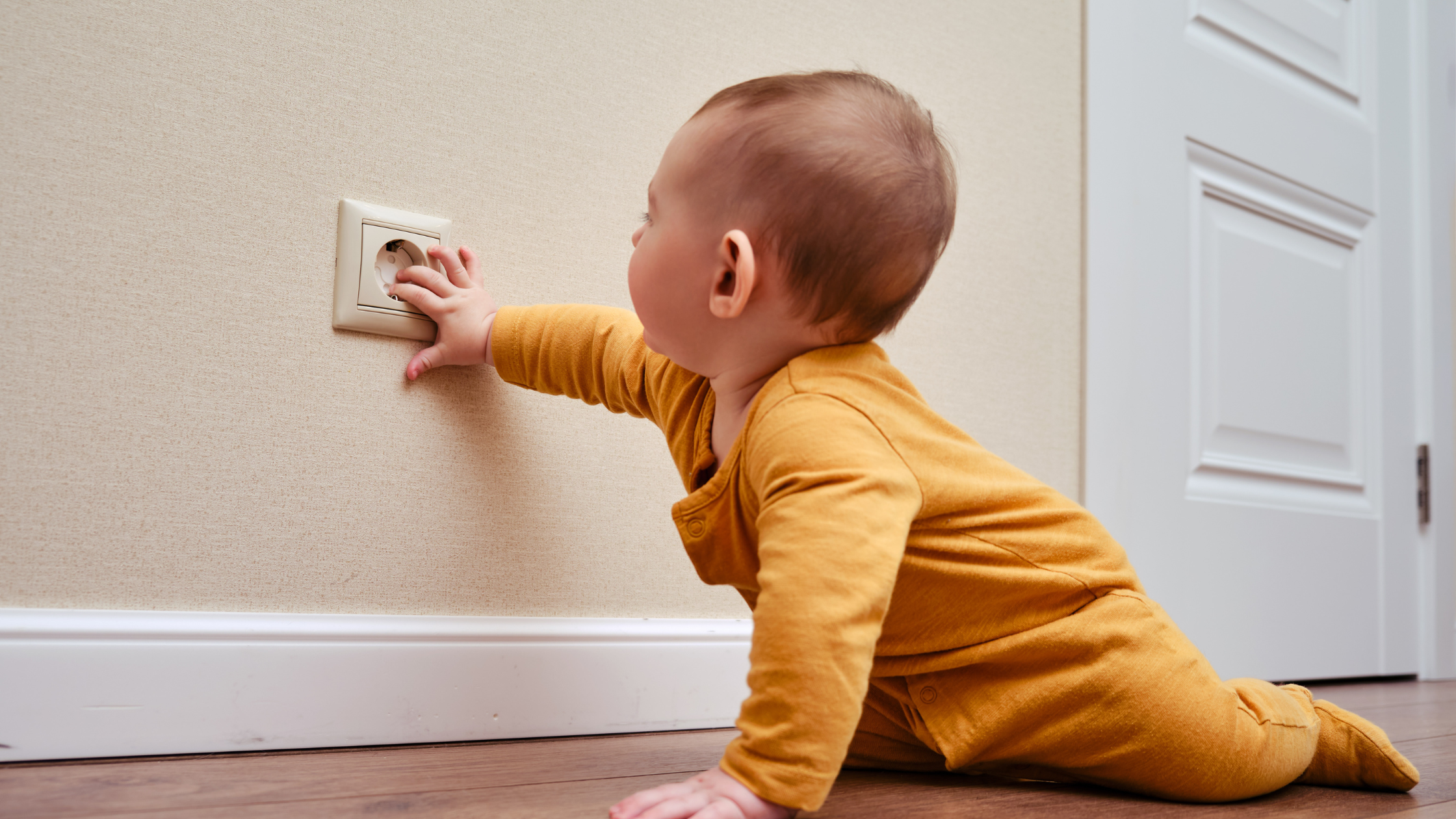
Householders need constant vigilance. Curious babies and children can stick their fingers into sockets. Adults often become a bit too relaxed in terms of electrical safety. For example, they might plug in the electric blanket while drinking a liquid in the bed, which risks electrocution.
When it comes to protecting your kids in and around your home, it is vital that you ensure electrical safety. Ensure to conduct regular checks for breakages in electrical equipment. Look out for broken wiring, frayed cords to fuses and the circuit breaker. Assess the wear and tear of appliances.
Identify any missing parts such as:
- Screws,
- Covers,
- Switches,
- Signs of overheating of appliances,
- Proper labelling of switches at the mains,
- Faulty connections, and
- Loose fixtures or fittings and faulty appliances will trip the power.
Take the time to switch plugs on and off to ensure correct connectivity. Read instructions for proper and safe use of your appliances.
Also, avoid overloading or playing around with plugs. Make sure all plugs used in your home are SABS approved. All these precautions could save a life should an emergency arise.
In homes with small children, they should learn not to play with electric sockets. Also, they should learn to use tamper-resistant (TR) receptacles and outlets. That serves as a precautionary measure. And above all, appliances and electrical equipment must remain far away from infants.
Arrive Alive: Home suggests the following precautions for child safety around electricity:
- Don’t leave loose live wires dangling. A toddler may play with them and chews on them.
- Cover all unused outlets with safety plugs.
- Don’t leave the cords of your kettle or hot iron dangling. That could lead to severe burns if the child tugs on the wire and it topples off the counter.
And when it comes to heaters, keep a close eye on children. So they don’t touch the hot bars through the grill.
Older children should also remember the dos and don’ts of electricity. They should not play on or near an electrical installation. They must not climb electric poles or release kites or metallic balloons near power lines.
In an emergency, like electrocution or any other accident, having emergency services at your fingertips can be the difference between life and death.
That is why an app like iER is so essential. iER is South Africa’s only dedicated emergency response and disaster management network. Backed by its emergency-trained call centre, iER responds to emergencies 24/7!