
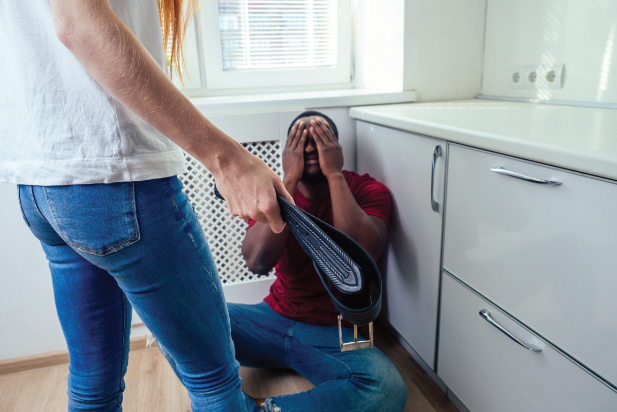
Domestic Violence In South Africa: A Gendered Crime
Did you know that domestic violence isn’t limited to physical acts of violence? In most cases, domestic violence is associated with intimate partner relationships, but children can also be victims of it. For example, when children witness physical abuse between their parents or are subjected to physical harm. Read on to find out about the types of domestic violence, how victims are impacted and ways you can offer support to victims of abuse.
What is Domestic Violence?
The main idea behind this type of violence is the perpetrator assuming power and control over the victim. It can be achieved through emotional, verbal, physical abuse, or threats of violence by an intimate partner or a family member. It’s essential to know the signs of any form of abuse and to get the required help when needed.
While there are stereotypes that are associated with abuse, it’s crucial to understand that domestic violence can happen to anyone. There shouldn’t be social or cultural stigmas attached to those who can be victimised. Most importantly, victims are not at fault for what their partner or family member does to them.
Domestic Violence and Abuse in South Africa
According to research, South Africa is considered a country with high cases of domestic violence. Statistics reported for 2023 suggest that over 15 000 women were victims of physical and sexual assault. Additionally, more than 960 women were killed because of domestic violence related cases.
Types of Domestic Abuse
Physical Abuse
Physical abuse relates to any form of behaviour that brings physical harm to the victim. In most cases, it starts off with seemingly small with a push here or a slap here until it worsens over time. The aim is to ensure the victim suffers physical harm with noticeable injuries.
Sexual Abuse
Any sexual activity that occurs without consent is considered sexual assault, abuse, or violence. Sexual abuse is a widespread issue with over 5000 rape cases reported in the 2022 crime statistics. Additionally, one in three women are expected to experience sexual abuse in their lifetime.
Financial Abuse
On the other hand, a perpetrator can assume power over their victim through financial control. It usually goes hand-in-hand with most types of domestic abuse. A victim may be prevented from working or using money to maintain their needs.
Neglect
Cases of neglect are usually higher in children and elderly people who lack the means to take care of their essential needs. This form of mistreatment can be emotional or the failure to provide sufficient supervision. Poor overall health and behavioural consequences are some of the risk factors of neglect victims.
Emotional or Psychological Abuse
Often abusive words and bullying tactics are used to manipulate a victim. This can be blaming, shaming, or embarrassing with the purpose of undermining them and to wear down their self-esteem. The underlying goal of emotional abuse is to discredit and isolate a victim until they fear leaving the relationship.
Common Signs of Domestic Abuse
Signs like physical injuries and marks are an easier way to identify when someone is a victim of domestic violence. However, there are times when someone doesn’t have physical signs of being abused. The following are common signs that you should look out for:
- Emotional signs like agitation, fear, or low self-esteem.
- Behavioural changes.
- Changes in sleeping habits.
- Lack of interest in social activities.
- Suicidal talks or attempts.
- Becoming extremely apologetic over small things.
Impact of Domestic Abuse
Being abused in any way can lead to emotional and physical harm to anyone. These issues can persist well after the abuse has ended due to the underlying trauma that a victim has to deal with. In most cases, victims can develop chronic mental health conditions that can have a long-term effect on how they navigate life.
How to Support a Domestic Abuse Victim
It’s crucial to understand that most abuse victims don’t know how to ask for help. On the other hand, others have been conditioned to believe that they don’t deserve support from their loved ones. Yet, you can still try the following to offer help to someone who is a domestic abuse victim:
- Ask what they want and listen to their needs without judgment.
- Don’t pressure them or push your personal views on what they should do.
- Provide the kind of emotional support they want.
- Respect their choices.
- Encourage them to seek professional help.
Domestic violence or abuse is a common issue that affects millions of people in South Africa. Often, victims don’t have a support structure to navigate the impact of the abuse they suffer. Anyone who is at risk of domestic violence can use the iER App to access Social Services, Rape Crisis Centers, and Counselling service providers nationwide.