
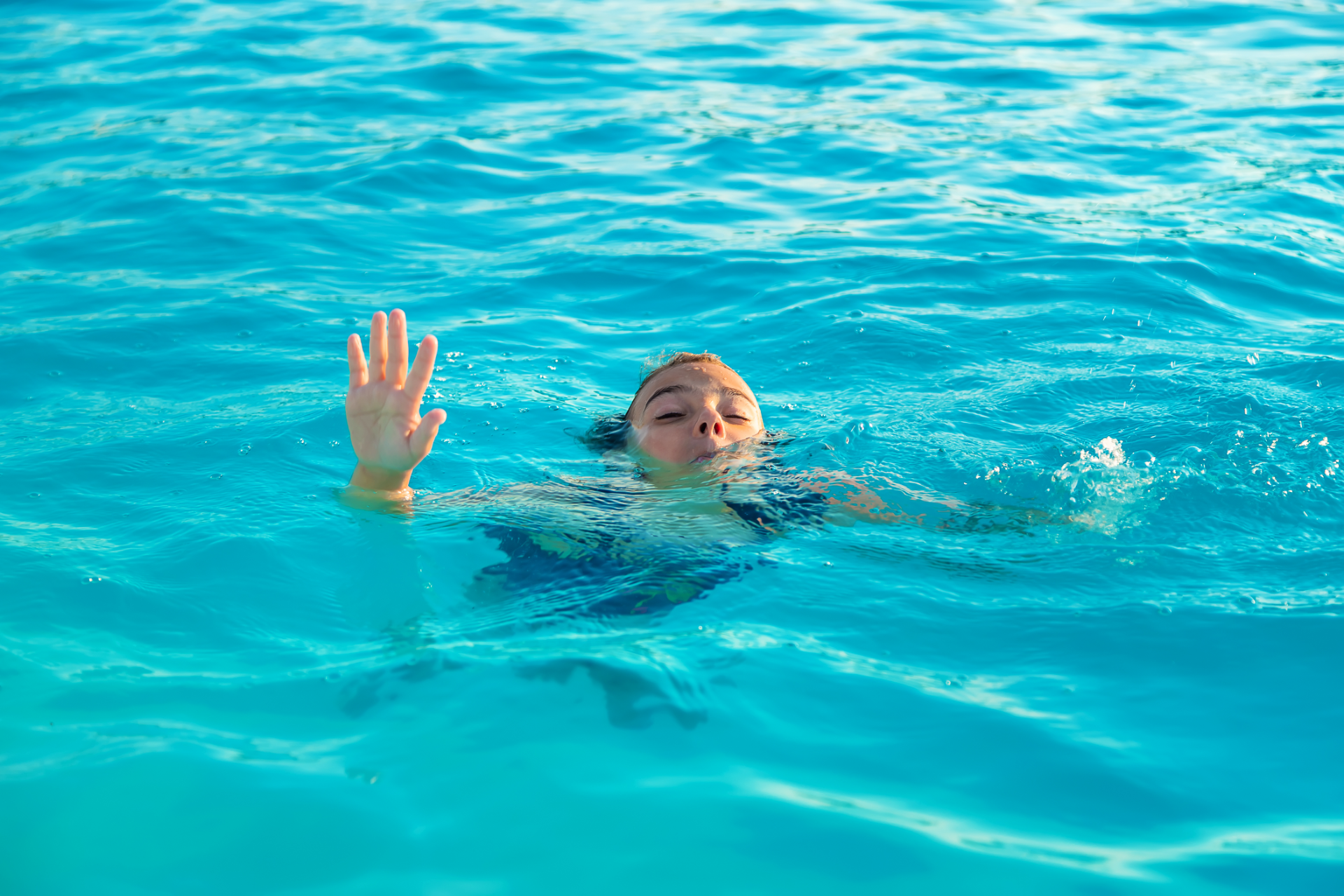
Drowning And Water Safety At Home
Water safety is crucial for anyone at any age. It’s most significant when you have young kids. Swimming is a fun way to bond with your loved ones.
However, many people drown in water due to various reasons. Lack of swimming skills contribute to an average of more than 1400 drownings per year in South Africa. Read on to find out about drowning and water safety tips for your loved ones.
Don’t Swim Alone
Did you know that a person can drown in less than two minutes? Brain damage followed by a drowning fatality may take less than ten minutes. Most importantly, drowning isn’t caused by a large amount of water in your lungs.
Experts suggest that swimming alone isn’t advised, especially for children. Fatal consequences can occur when you swim by yourself. It’s crucial to have someone with you whether it’s the ocean or a swimming pool.
Avoid Breathing Games Underwater
Holding your breath under water can be a fun game when you’re with your friends. Even though it can seem like an innocent game, it can have fatal results. The risks of passing out, seizures, and brain damage increase even for highly skilled swimmers.
Wear a Life Vest
If you are an inexperienced swimmer, you should ensure you use a certified life vest. A life vest can save your life. They’re designed to help you stay afloat in a face-up position to keep your face and nostrils out of water.
Life vests are necessary to help you stay afloat to not only prevent the risk of drowning, but to help you float in case you’re unconscious. This can reduce the risk of water entering your lungs and brain damage. Different types of life vests are available, and the following tips should help you look after it when not in use:
- Store your life vest in a dry place when not in use.
- Follow the manufacturer’s instructions if it gets wet while stored.
- Examine it for any damage regularly.
- Make sure it stays clean when not in use.
Have Swimming Rules
The same basic swimming rules should apply whether at home, a lake, or the ocean. It’s crucial to ensure your children understand the significance of swimming rules. The following rules can improve water safety for your loved ones:
- Running near wet surfaces can lead to dangerous slips and falls.
- Diving in unknown water sources should be avoided.
- Swim with parental supervision.
- Wear sunscreen to prevent sunburn and other potential health problems.
- Wait at least 30 minutes after eating before swimming to reduce the risk of drowning.
Learn First Aid Skills
You should stay prepared for anything that can happen. Knowing first aid skills like CPR is essential to prevent drowning fatalities at home. It’s crucial to know how to recognise a water safety emergency in or out of home.
In most cases, drowning emergencies happen quickly and are silent. As a result, they require you to know how to act immediately. When CPR is performed correctly on a victim it can help prevent a fatal accident.
Understand Water and Weather Conditions
If you wish to swim in open bodies of water such as a lake or the ocean, you should understand how weather conditions affect water. This can help you improve water safety measures for your family. For instance, if there’s a storm, you should stay away from water.
Water is dangerous when lightning strikes. It acts as an exceptional electrical conductor that spreads across the surface of the source of water you’re swimming in. Bad weather can impact water safety.
In summary, you should know that water safety is necessary. Consider the above-mentioned water safety tips the next time you want to go for a swim. Use the iER App in case anyone becomes a victim of a drowning incident. Access over 13 000 medical and non-medical emergency service providers with convenience.