
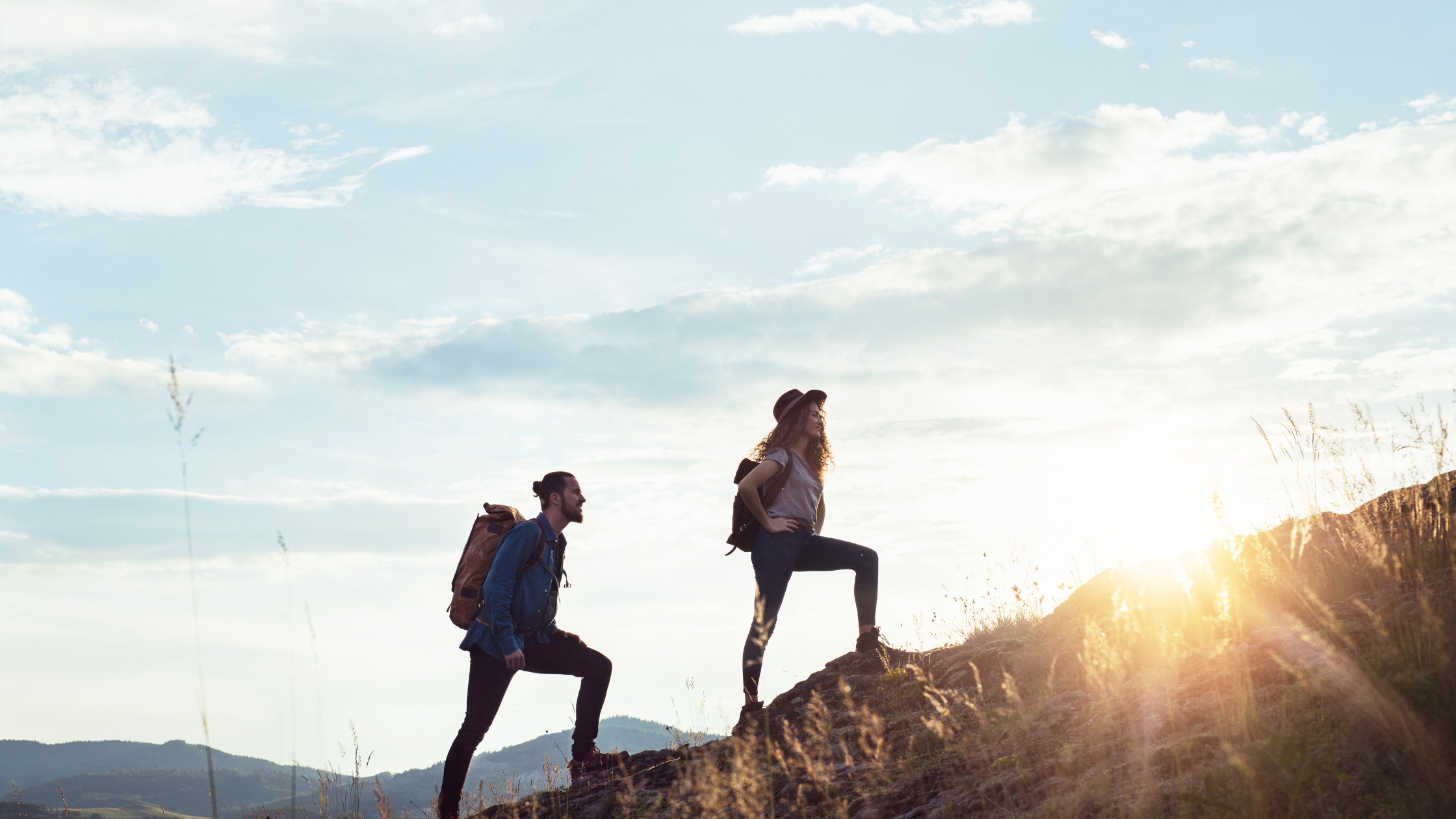
Everything You Need To Hike In South Africa
There are many things to love about South Africa – its diverse cultures, flora, and fauna. Let us take you through everything you need to hike safely in South Africa!
There are essentials you need to take along with you on your hike. Ensure that you are safe and nourished on the journey. Your hiking bag size and the material will vary according to your hike.
Your bag should never exceed more than one-third of your body weight! Your main essentials include a water bottle and hiking shoes.
Walking through nature is the perfect way to clear your mind and get your blood pumping. Sometimes, the route of a hike looks daunting, but with the right essentials, every hike can be a smooth one.
Climate, Season and Weather
Different seasons and temperatures require a change in hiking attire. General conditions to consider are climate, season and weather. The weather is different on the coast compared to the mountains. The primary focus is to protect yourself from cold, heat, rain, or the sun.
Once you know your climate, you can decide on the best season for hiking. Each season comes with different weather. Check the forecast of the day or the period around the time you want to hike.
It is best to take along extra clothes in case unfavourable weather occurs – such as:
- Waterproof jacket
- Windbreaker
- Rain pants
- Change of clothes
Hiking Clubs
Some people enjoy hiking alone but hiking with a club is the best way to meet other hikers on your level. It is also an opportunity to learn from experienced hikers. Being in a group allows you to familiarise yourself with routes and trails and have safety in numbers.
What are the Dangers of Hiking Trails?
Arrive Alive often receives requests from emergency services for evacuations from hiking trails, but why would an evacuation be required, and what are the most common emergencies?
- Hikers getting lost.
- Medical incidents such as asthma attacks, heart attacks and illnesses.
- Fatigue, hypothermia, dehydration and heat exhaustion.
- Injuries from slips and falls on the trail.
- Injuries caused by animals, snakes, and insects on the trail.
- Hikers getting trapped or injured by forces of nature such as flooding, veld fires and lightning.
- Injuries brought about by criminal attacks, assaults and robberies.
That is why hiking in a group is safer, so that if anything happens, someone can report it. The iER app can find your location at the press of a button and send help your way!
Nutrition and Hydration
Hikers have a hydration system, that usually comprises of a litre of water for the hike. You should take into consideration if the weather looks to be a scorcher? Or are there long stretches of hiking without access to water? If so, take more water with you.
Another nutritious beverage in your insulated drinking bottle or thermos is tea. Tea is always good during a break and if it is cold, you can also bring water purification tablets or a filter. Make sure you have packed enough food, energy bars and dried fruits for the entire hike. You can prevent hypoglycaemia and other conditions that slow you down, by eating regularly.
A freeze-dried meal or breakfast rations for solo hikes, can bring joy to your hikes because the more energy you get, the better the hike becomes. You can even hide an extra energy bar at the bottom of your bag or in your first aid kit.
Navigation
Finding new hiking trails, will require you to have proper navigation tools, in unfamiliar terrains. Charging your phone before hiking, may be a lifesaver in the case of an emergency.
An option is to drop a location pin where your car is parked so that if you get lost, you can at least find a way back to your vehicle.
First Aid Kit and Security
A first aid kit is vital to keep in your backpack. Pack plasters, gloves, antiseptic cream, and bandages in your first aid kit.
More essential items include sunglasses, sunscreen, an emergency blanket, a knife, or a multi-tool. In the case of an accident occurring, you should have the identity documents of everyone on the hike with you.
You can also add matches, a lighter or candles to your essentials pack. Carry an extra battery for your cell phone, GPS and two-way radio/satellite telephone, if you are remote hiking.
Take Your Time
At the beginning of every hike, don’t power ahead. Reserve your energy instead, or you will have zero energy by the halfway mark. Choose a pace you can maintain for the day and stick to it.
Having Fun comes with Precautions.
Hiking is fun and exciting, whether alone or in a group. Share your itinerary with others as it could be significant in unexpected situations.