
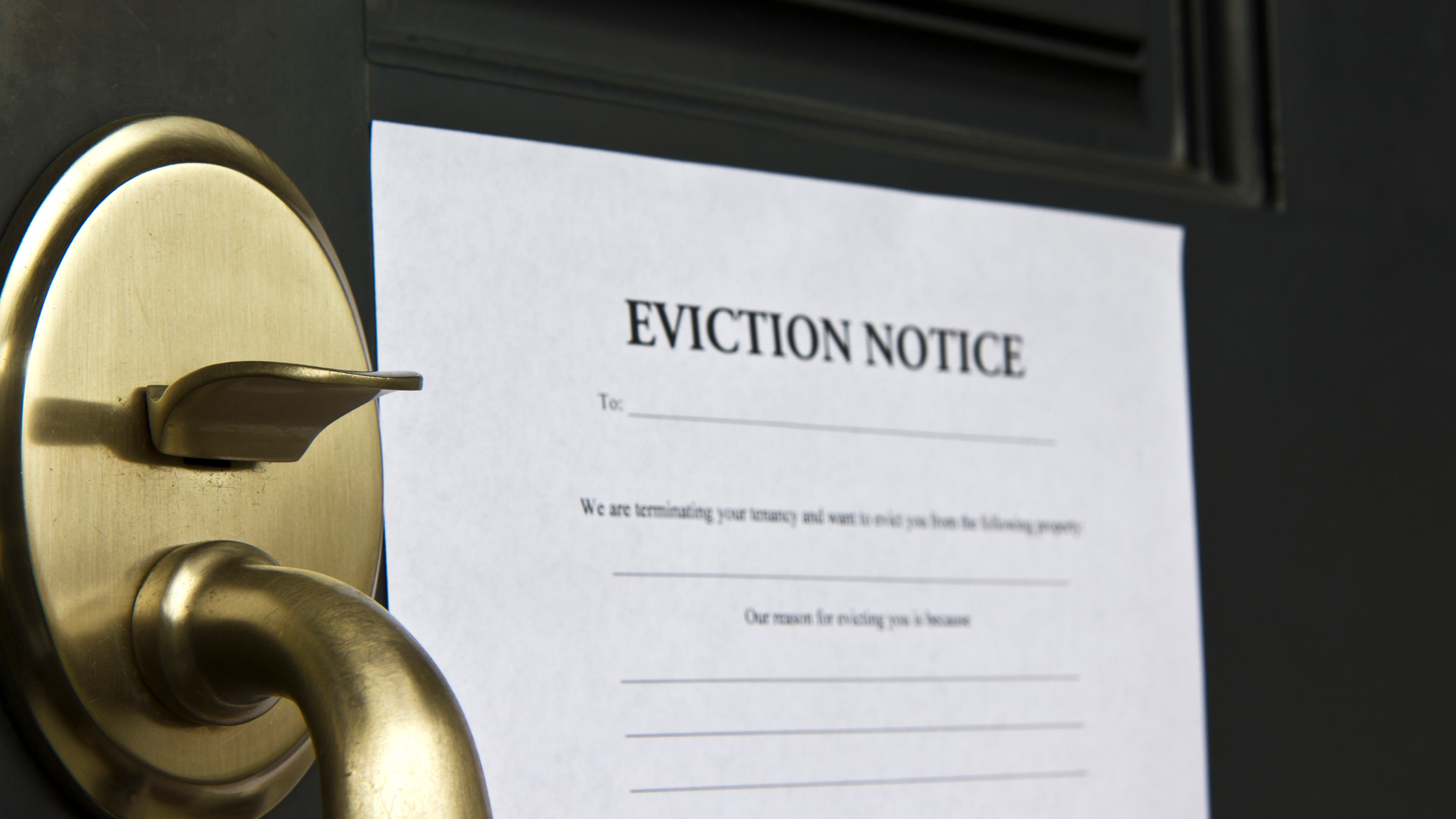
Eviction Laws of South Africa
Both sides of a rental agreement come with a measured amount of risk. It promises income and a place to live.
But what happens when either side of the deal has a discrepancy or renters can no longer afford to pay? Who decides who gets to occupy the rented space and when it is time to move out?
Here, we discuss the ins and out of eviction in South Africa.
Unlawful occupiers include squatters, defaulting renters, bond/home loan payers and so on.
What Is Eviction?
Eviction is the removal of an unlawful occupier from a property by the landlord. It can be court-ordered or ordered by the landlord, but there are rules to be followed for the eviction to be legal.
A landlord, who is the owner of a property, might want to evict an occupier for several reasons including the following:
- Nonpayment of rent,
- Damages,
- Violating the terms of a lease,
- Illegal activity, and
- The landlord wishes to live on the property.
A person is considered to be an unlawful occupier when:
- They remain on a property without the landlord’s consent;
- They remain on the property following a lease agreement expiration; or
- They remain on the property following a lease agreement termination due to a breach of contract.
The Legal Eviction Process
The legal eviction process starts with the landlord giving the occupier fair notice. The landlord can give the occupier the choice to either remedy the conditions that are causing grief, or to vacate the premises.
If an occupier can’t provide a remedy for the conditions addressed, the landlord may begin eviction proceedings. If necessary, the landlord can involve the court. The landlord must notify the occupier of the cancellation or withdrawal from the agreement in writing and provide the occupier with reasonable time to vacate the property.
A written notice of the eviction hearing must be given to the occupier at least 14 business days before the hearing in court, stating the date and time of the hearing, the circumstances surrounding it, and the unlawful occupier’s right to defend themselves.
Judges hear testimony from both parties involved in the agreement and then review the evidence. From there, they decide whether to evict the occupier or deny a landlord’s request for eviction.
Do Unlawful Occupiers Have Rights Too?
Unlawful occupiers have certain rights. They must receive a written notice of eviction, whether they initially occupied the property legally or not.
What Will The Court Consider Before Eviction?
A court will consider whether the occupier is on the property unlawfully. It will also consider if the landlord has followed the proper legal procedure in the Prevention of Illegal Eviction Act.
If the unlawful occupier has been on the property for a period shorter than six months, the court must consider the following:
- All of the relevant circumstances;
- The rights of the elderly, children, and disabled persons;
- The rights of households headed by women; and
- Whether it will be fair to grant an eviction order.
If the unlawful occupier has been in occupation of the property for a period longer than six months the court will also consider the following:
- All of the relevant circumstances;
- The rights of the elderly, children, and disabled persons;
- The rights of households headed by women; and
- Whether alternative accommodation has been made available.
- Can alternate accommodation reasonably be made available by a municipality, an organ of state or the property owner for the relocation of the said unlawful occupier?
- Whether it will be fair to grant an eviction order.
If an unlawful occupier has no valid reason to keep occupying the property, the eviction order will likely be granted by the court. It will specify the following:
- The date on which the unlawful occupier/s must vacate the property;
- The date the sheriff must evict the unlawful occupier/s from the property. This only applies if s/he has not yet cleared the property on the date determined by the court.
Who Insures A Rental Property?
A common argument between landlords and occupiers is who is responsible for the property during the rental.
When it comes to household insurance, there seems to be some confusion about who insures the rental property and what falls under the scope of the renter’s insurance. In case of a burglary, who will be responsible for replacing the occupier’s stolen goods?
Simply put, the landlord will usually have insurance on the entire property/premises, but it is still the occupier’s responsibility to insure their belongings.
As a rule, occupiers should calculate the value of their belongings and have insurance to cover them in the case of a fire, robbery, or any other event that causes damage or loss.
You will only receive compensation for stolen belongings if you have your own household contents insurance policy. This applied even if you are evicted.
Essentially, this means that if your rented home is robbed, the landlord’s insurance will not necessarily pay for the replacement of your belongings, only the landlord’s.
Landlords who take out Landlord insurance policies are usually covered for dwelling coverage, water/flood coverage, personal property (contents), acts of nature, and fair rental income coverage, explains The Balance.
Involve The Law
Always call the professionals to handle situations that challenge the law of South Africa. iER gives you access to police and other responders that can facilitate all emergency situations.
There are no in-app purchases or adverts on the iER App!