
How Drones Are Changing The Security Industry
Surveillance drones are the ideal tool for security and emergency response teams. Drones can provide live streaming and recording, coordinate tracking, and the ability to follow a perpetrator or injured person should they make their way from the scene.
Surveillance drones work best for large gatherings, like festivals or sports matches, where the vast size of the crowd prohibits other types of on-the-ground surveillance. They also work well on search and rescue and patrolling large sites such as agricultural holdings, game reserves, mining or construction sites that require real-time monitoring and rapid response to ensure safety and security.
The advantage of drone security and surveillance is quick response and cost savings. Although a human counterpart is needed to manoeuvre the drone and respond to an event, these drones alleviate many restricting human factors.
What Is A Drone?
The word ‘drone’ used to be a broad term for unoperated aircraft.
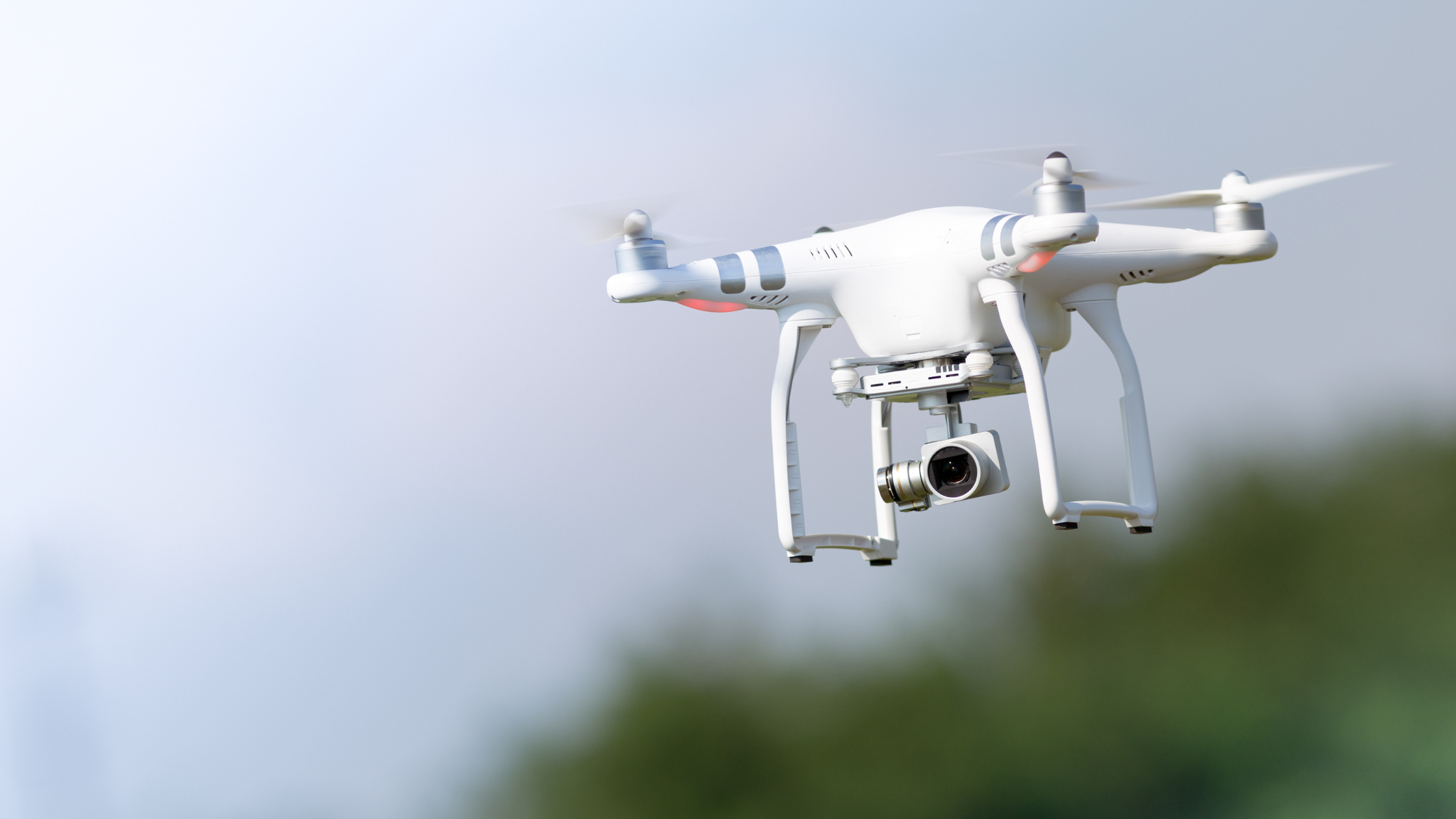
However, it usually refers to a multirotor with three or more propellers that can be used to hover or fly in any direction, explains Airborne. The most common type is a quadcopter with four propellers.
Features
Why are drones fast becoming the number one security measure? Besides being able to get an aerial view of the perimeter in minutes, other features include:
- Many drones have cameras that record videos so that you can record any strange behaviour.
- There is a built-in flight controller that keeps drones stable. If it tips over, the flight controller can instantly adjust the propeller speeds to re-level it.
- Some have additional intelligent features that let them fly autonomously.
Drones and SAPS
South African Police Service wants to use drones across the country to fight crime, says IT Web.
Police Minister Bheki Cele told a parliamentary representative of the Freedom Front Plus, following questions on whether the SAPS had purchased any drones thus far to be used specifically for rural security.
Cele continued that SAPS was purchasing drones as part of policing in rural areas, as per the Rural Safety Strategy.
“The SAPS is acquiring 166 drones, in three phases, for use in various policing environments. The proposed model for drone deployment in three stages will include 43 localities and specialised units, with satellite drone units serving various police stations.
The Rural Safety Committees at the police station and district levels will include the utilisation of drones in their rural safety plans.
What Are The Laws And Regulations When Flying My Personal Drone?
There are compulsory SACAA regulatory controls and arrangements governing the flying of any drone. Starlite Aviation says hobby operations have the following local regulations:
Do not fly or operate a drone:
- Near manned aircraft.
- Within 10km of an airport, helipad or airfield.
- Weighing more than 7kg and is unlicensed.
- Higher than 120m from the ground.
- At night.
- Within 50m of:
- Individuals or groups at any social event.
- Private property unless you have permission from the owner.
Privacy Law
Sending a drone to private property is against the law. There are many ‘No Fly Zones’ in South Africa that you need to familiarise yourself with.
These include prisons, police stations, active and non-active crime scenes, courts of law, and nuclear power plants. Additionally, national key points like the Union Buildings Presidency in Pretoria are off-limits.
Other prohibited air spaces include restricted, endangered and environmental areas such as SAN Parks. Some sightseers use drones to disturb or chase wild animals. Only drones used for wildlife conservation and research purposes are allowed, subject to special permission and the required remote pilot licensing, says Outdoor Photo.