
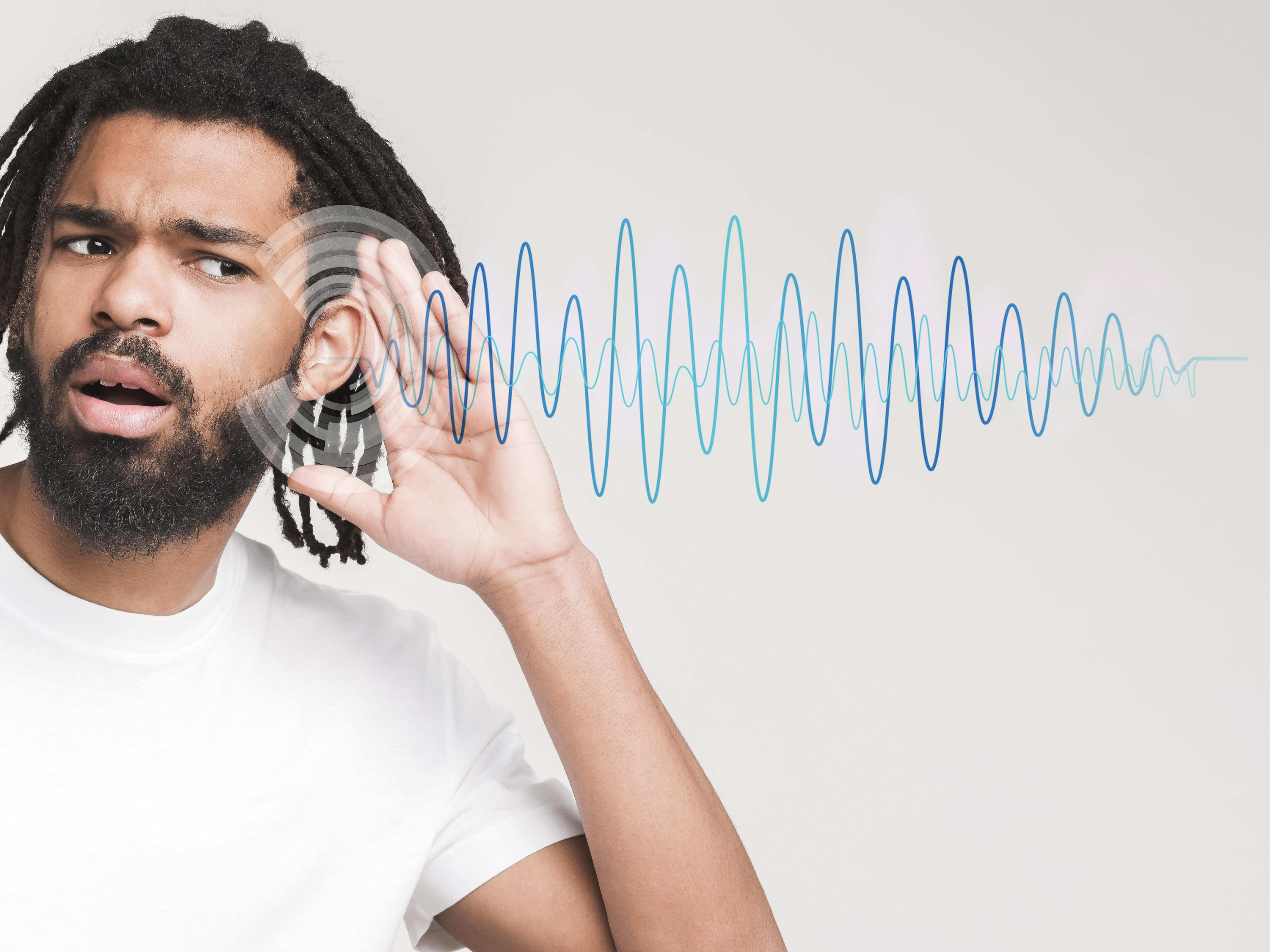
Silent Signals: How Hearing-Impaired People Navigate Emergencies
When you think of an emergency, you picture alarms, sirens, and loud instructions — all sound-based alerts. But for people who are deaf or hard of hearing, those warnings may never be heard. Without inclusive systems, a simple smoke alarm or evacuation call can go unnoticed, turning a manageable situation into a dangerous one. Thankfully, with the help of technology and proper planning, individuals with hearing-impairments can rely on visual, tactile, and digital tools to stay safe when every second counts.
The Challenges
A fire alarm blares or a loudspeaker announces an evacuation, but for someone with hearing loss, that warning might never reach them. Standard alarms, sirens, or public announcements often depend entirely on sound. Without visual backups or accessible alerts, if you have a hearing impairment, you might be unaware of danger until others begin reacting.
Many rely on lip-reading, visual cues, or environmental changes, but those aids can fail in dark, smoky, or chaotic situations. In crowded spaces, blocked sightlines can make it even harder to notice warning signs or follow instructions. This uncertainty often leads to anxiety during emergencies, especially when communication systems aren’t designed with accessibility in mind.
How Technology Steps In
Modern technology is helping to bridge these safety gaps. Devices and apps now translate sounds into visual or tactile alerts, ensuring people who are deaf or hard of hearing can react faster and more confidently.
Such specialised alerting devices are helping people stay safe at home and in public spaces. These smart systems can detect alarms, doorbells, or other emergency sounds and convert them into flashing lights, vibrations, or text notifications. Many households use strobe light fire alarms or bed shakers that activate when smoke is detected, ensuring no one sleeps through an emergency.
For those who prefer mobile solutions, smartphones and wearable devices can provide visual or vibrating alerts when danger is detected nearby. These tools are becoming increasingly accessible and affordable, enabling people with hearing loss to respond quickly and confidently in any emergency situation.
When it comes to communication during emergencies, technology is also helping people who are deaf or hard of hearing stay connected and protected. Real-time transcription apps, visual alerts, and sign language relay systems are improving accessibility, but one of the most effective tools available is the iER App.
The iER App connects users directly to the emergency contact centre who dispatch response units anywhere in the country, eliminating the need for a phone call. With just a tap, your exact location is shared via GPS with the emergency centre, ensuring help is dispatched fast. The app also supports silent alerts, making it ideal for individuals who cannot speak or hear during an emergency. Whether it’s a medical emergency, an accident, or a safety threat, the iER App ensures that people with hearing impairments can reach help quickly, quietly, and confidently.
Building Safer, More Inclusive Systems
Creating emergency systems that accommodate individuals with hearing impairments people is essential for ensuring safety and equality. Every building, event, and public space should feature multi-sensory alert systems that include flashing lights, vibrating alarms, and clear digital signage alongside audible sirens. Visual cues such as illuminated exits and bright emergency pathways can save lives when sound alone isn’t enough.
A key point to note is that communication must be accessible in all formats. Public announcements should be paired with on-screen captions, scrolling alerts, or live text displays. Emergency services should continue to expand video and text communication channels, while event organisers and safety teams should ensure that trained personnel or interpreters are available when needed.
Preparedness is just as important. Safety teams and local authorities should work with accessibility experts when planning drills or evacuation procedures. By including deaf or hard-of-hearing participants in practice runs, communities can identify and fix gaps in their emergency responses before a real crisis strikes.
Individuals can also take proactive steps. Using smartphone apps like iER, wearing alert-enabled smartwatches, or keeping identification that states “Hearing-impaired — use text or visual communication” can all help ensure faster assistance when it matters most.
A Safer Future
Hearing-impaired individuals deserve to feel safe and protected, no matter the situation. Emergencies should never depend solely on sound. By combining visual, tactile, and digital alerts, and by using tools such as the iER App, we can make safety more inclusive for everyone.
Emergencies are moments when human instinct and resilience are put to the test. For those with hearing loss, these situations can become even more life-threatening without inclusive safety measures. If you know someone who faces unique challenges in times of crisis, encourage them to download the FREE-to-use iER App today from the Google Play Store, the Apple App Store, or the Huawei App Gallery. With iER, no one’s safety is compromised by a lack of sound.