
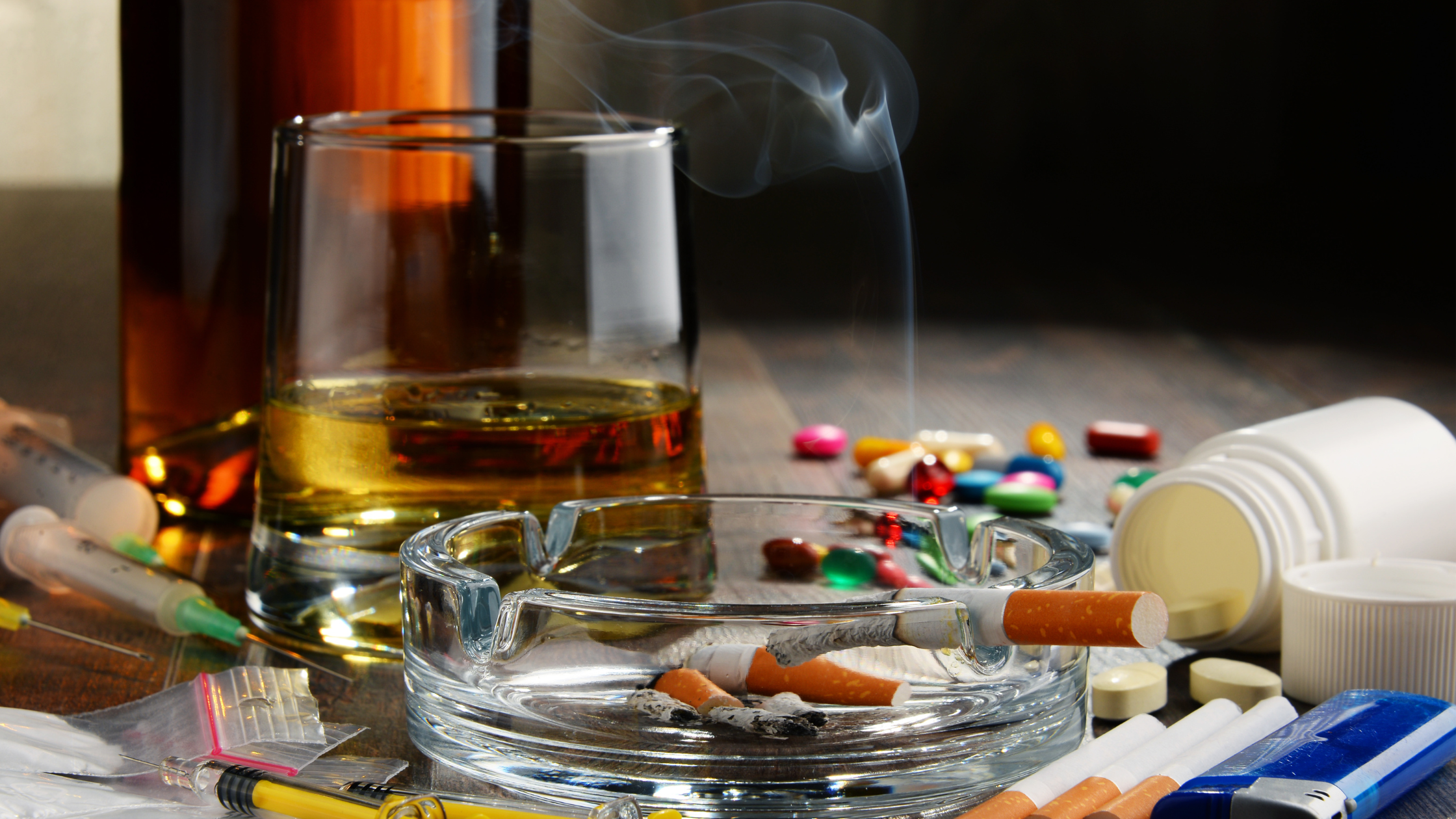
Substance Abuse in South Africa
Substance abuse in South Africa is rife. Alcohol, marijuana, cocaine, Tik and heroin are the top substances used by 15% of South Africans.
Unfortunately, substance abuse is on the rise in South Africa. Getting a grip on the full extent of this social problem is difficult.
Substance abusers only begin to show on record when people admit themselves into registered rehabilitation centres and outpatient facilities run by organisations such as:
- The South African National Council on Alcoholism and Drug Dependences (SANCA)
- Alcoholics Anonymous (AA)
- Narcotics Anonymous (NA)
Bleak Situation
According to the Department of Social Development (DSD), substance abuse challenges the health, safety and well-being of all South Africans. South Africans use the same psychoactive substances as the rest of the world. Still, alcohol is the most widely used substance countrywide.
Alcohol consumption contributes to at least 58 % of all deaths on South African roads.
A SA National Youth Risk Behaviour Survey (YRBS) reported that 15% of learners used over-the-counter drugs to get high. In comparison, 11.5% had tried at least one of the following drugs:
- Tik (Methamphetamine)
- Heroin
- Mandrax
- Cocaine
- Heroin residues
The Department of Social Development (DSD) also reports that more adolescents are using Nyaope/Whoonga. That is a mixture of heroin and cannabis and Tik.
Department of Social Development (DSD) also warns that the local drug scene is being flooded with designer drugs and legal highs. These substances disrupt brain function, affecting nerve and brain function.
The use of psychoactive substances such as marijuana and heroin reduce the effect of natural neurotransmitters in the brain. Long-term use could completely alter the structure of the brain and inhibit function.
Warning Signs
Experts say that substance abuse and addiction treatment is available to patients and their families. Still, there is no overnight cure. Nor can the condition be cured by taking a magic pill. Being in recovery is life-long.
People need to know the signs and seek intervention immediately.
Akeso Clinics says these are the physical, psychological and social signs and symptoms to watch out for:
- Weight loss
- Tarnished skin
- Skin outbreaks
- Intense compulsive urges or cravings.
- Extreme isolation
- Depression
- Anxiety
- Paranoia
- Inferior standards and quality in performance
- Withdrawal symptoms
- Unhealthy fixations
- Toxic habits
- Irregular financial status
- Work neglect
- Unsafe sex
- Bad hygiene
After that, it is a slippery slide of poor judgement in everything. Addicts engage in the following risky behaviours:
- Lying
- Stealing
- Cheating
- Living on the street
- Selling drugs
- Prostitution
- Crime
- Imprisonment
The cost is high for the families and communities who live in fear of the many social ills that come with living under siege to substance abuse.
There is help. Many hospitals will guide you to a rehabilitation facility that will assist in getting the proper treatment. There is life after substance abuse.
If you need immediate assistance from the police or an ambulance in the event of a drug overdose, use the iER App on your smart device. There are no in-app purchases or adverts. The app needs mobile data and an internet connection.