
What To Do During Burn Emergencies Before Medical Help Arrives
While burn emergencies happen when you least expect them, they can end up causing skin damage that can be life-threatening and require immediate medical attention. Whether it’s caused by boiling water, fire or an electrical fault, if left untreated for a prolonged period, it can lead to irreversible skin damage and a complicated recovery. Read on to learn more about what to do during burn emergencies before medical help arrives.
Understanding Different Types of Burns
Depending on what caused the burn and how deeply it has damaged the skin and surrounding tissue, burn severity can vary. For instance, burns caused by a fire will not look the same as those caused by chemicals or electrical sources. As a result, they’re grouped into different levels of severity as follows:
- Minor Burns: These affect the outer layer of the skin and may cause redness, mild swelling and discomfort.
- Moderate Burns: These burns may extend deeper into the skin and can cause blistering, intense pain and severe swelling.
- Severe Burns: These are serious burns that may damage deeper tissues, appear white, charred, or blackened, have a dry or leathery texture, and are classified as medical emergencies requiring urgent professional treatment.
How to Respond to a Burn Emergency
The first step in any burn emergency is to stop the burning process and move the person away from danger. However, your safety is equally important, and you shouldn’t put yourself at risk while trying to help someone else. In most cases, removing the source of danger may involve:
- Turning off the electrical power.
- Moving away from flames or hot surfaces.
- Removing the source of heat or chemicals.
Cool the Burn Immediately
One of the most important steps after a burn injury is properly cooling the affected area, without using ice. The cooling helps reduce heat in the tissue, may limit further damage, and helps ensure you don’t experience significant pain and swelling. You can use cool running water for at least 20 minutes, ensuring it’s cool, not ice-cold.
What Not to Put on a Burn
There are myths about what should be done at home to treat burn wounds. However, home remedies can worsen burn injuries and even increase the risk of infection, causing severe complications because they can trap heat, further damage your skin or interfere with natural healing processes. Home remedies you shouldn’t put on a burn include:
- Ice.
- Butter or cooking oil.
- Toothpaste.
- Egg whites.
- Powders or creams not prescribed for burns.
Protect the Burned Area
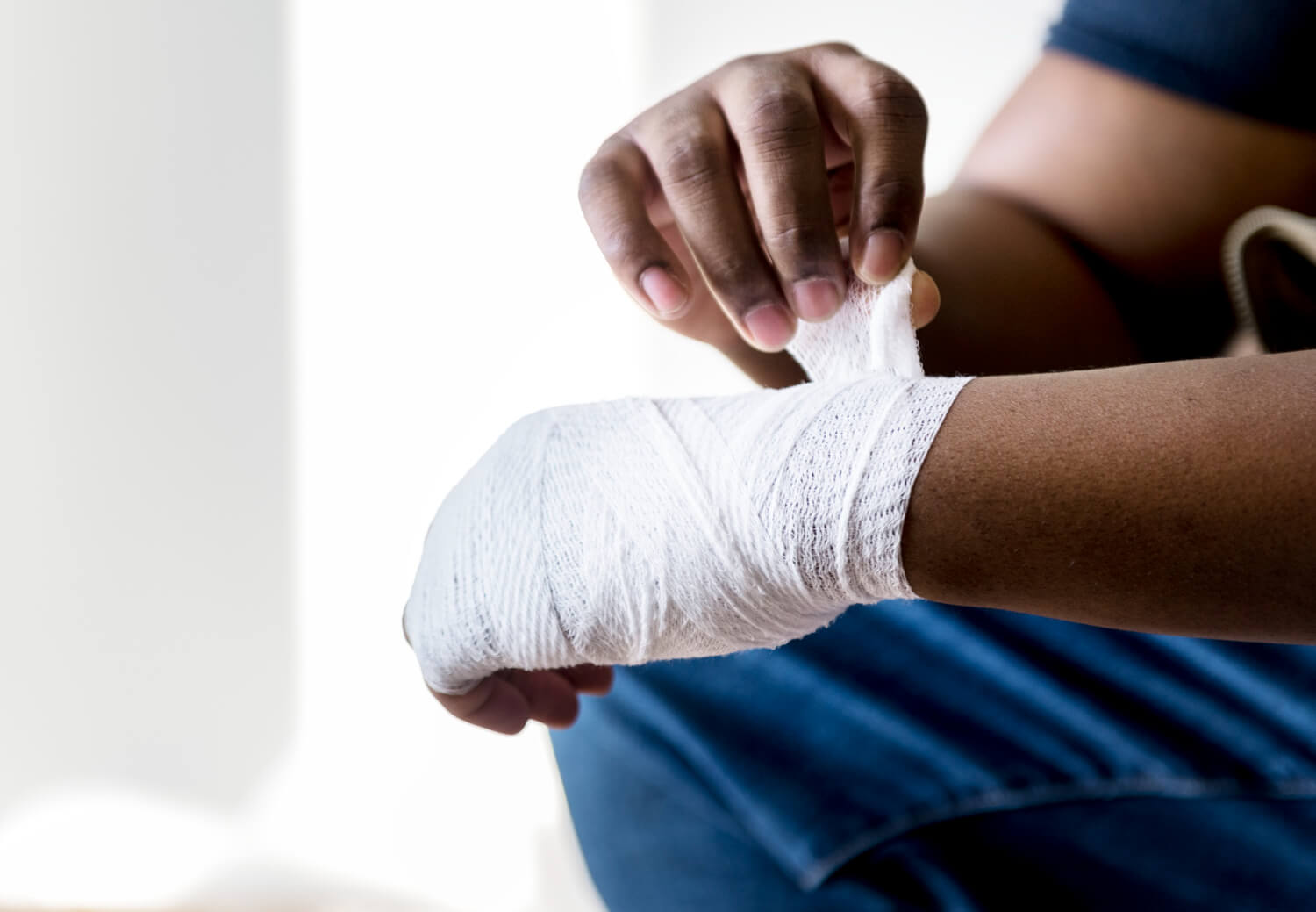
After cooling the burn, the injured area should be protected from contamination by loosely covering it with a clean cloth or, if available, a sterile dressing made of non-stick material. It’s important to keep the area clean and free of pressure. Most importantly, avoid wrapping the burn too tightly, as swelling may occur and prolong recovery of the affected area.
Watch for Signs of Shock
Burn injuries, especially serious ones that damage muscle and bone tissue, can place your body under significant stress. This can lead to shock, which may develop even if the burn itself does not appear severe. Common warning signs of shock include rapid breathing, confusion and loss of consciousness requiring immediate attention.
If shock develops, this is what you can do to ensure it doesn’t worsen:
- Keep the person lying down if possible.
- Elevate their legs slightly unless this causes pain.
- Keep them warm while waiting for help.
Burns That Always Require Emergency Help
Some burns should never be treated at home and always require urgent medical attention. Even if it may first appear manageable, symptoms can worsen rapidly if you delay using the FREE-to-use iER App to call for emergency assistance for burns that:
- Cover a large area of the body.
- Affect the face, hands, feet or genitals.
- Were caused by electricity or chemicals.
- Cause difficulty breathing.
- Appear deep, charred or white.
- Happen to a young child or elderly person.
- Shows signs of infection.
Electrical and Chemical Burns
Electrical and chemical burns can be especially dangerous because damage may continue beneath the skin even when external injuries appear minor.
- Electrical Burns: These can affect the heart, muscles and internal organs. It’s important to avoid touching a person still connected to an active electrical source, as the electricity can still travel through their body to yours.
- Chemical Burns: These burns require immediate medical attention to evaluate the type of chemical used and burn severity for proper treatment without delay. If there’s evidence of chemical exposure, the contaminated clothing should be removed carefully while avoiding direct contact with the chemical.
Burn Emergencies Involving Children
Children are particularly vulnerable to burns because their skin is thinner and more sensitive, so even seemingly small burns require careful assessment. Since children are inquisitive by nature and explore a lot, you find that hot drinks, kettles, bath water and cooking accidents are common causes of childhood burn injuries. Here are some preventive measures to consider as a parent:
- Keep hot liquids away from edges and children’s reach.
- Test bath water temperature carefully.
- Keep children out of cooking areas.
- Avoid holding hot drinks while carrying children.
Burn injuries can escalate quickly and should always be taken seriously the moment they happen. Knowing what to do before medical help arrives can help reduce damage, ease pain and improve outcomes. This is why fast access to a nationwide network of medical emergency care through the multi-award-winning iER App can help you connect to the support you need 24/7.