
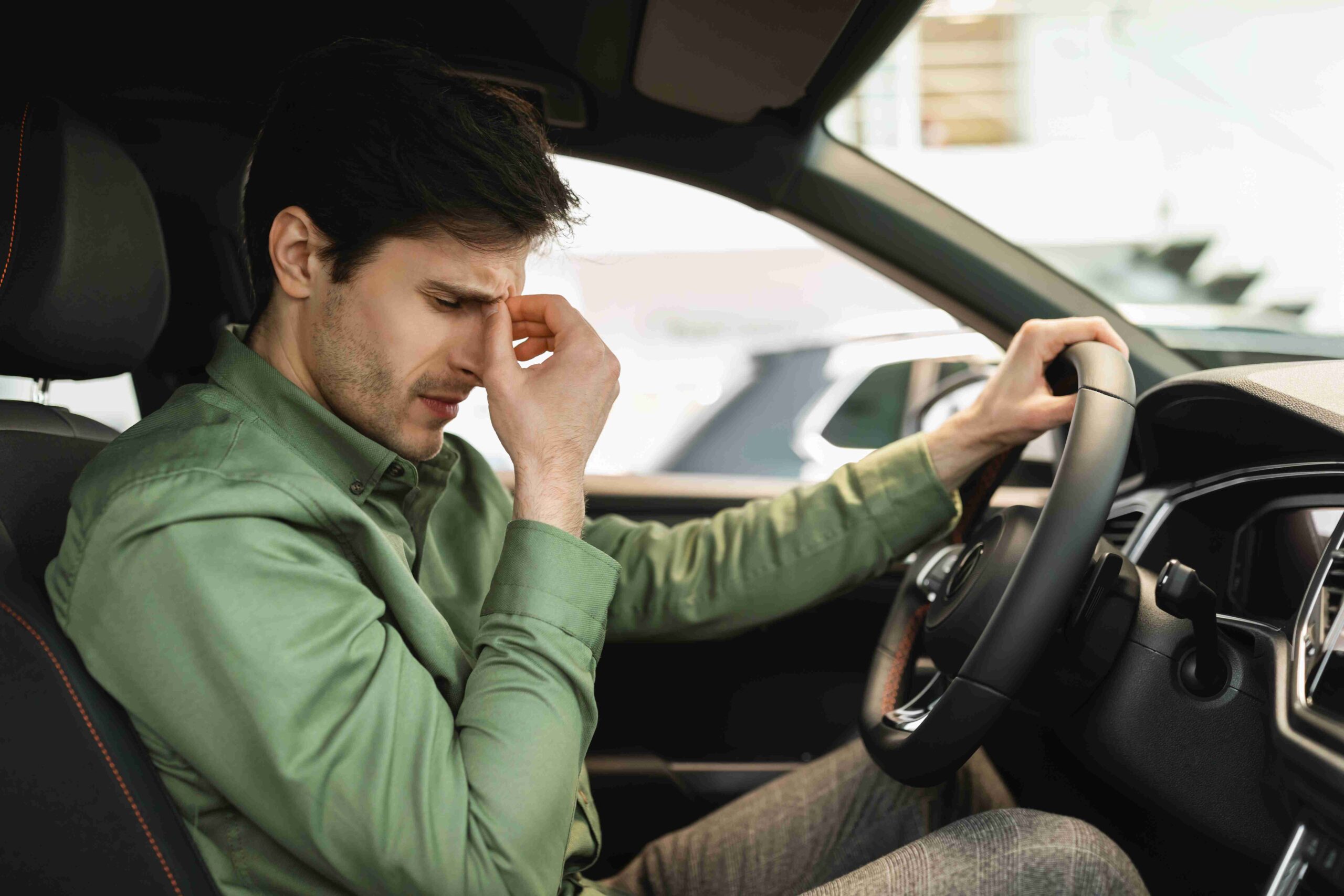
Why You Should Never Drive Yourself To The Hospital In A Medical Emergency
When you suddenly feel unwell, your first instinct might be to get in the car and make a plan to get to the nearest emergency room. However, driving yourself to the hospital might turn a situation that you can survive into a fatal one. Read on to discover why you should never drive yourself to an emergency facility when you are ill.
Your Reasoning Might Be Impaired
Emergencies often come with pain, panic, low oxygen, or sudden drops in blood pressure. These are factors that can affect your ability to judge distance, read road conditions, react at speed, or stay conscious. These are some conditions that can lead to accidents while rushing to the hospital:
- Chest pain or a suspected heart attack can cause fainting or lethal heart rhythms.
- Stroke symptoms, such as vision loss, confusion, slurred speech, and weakness, can affect safe driving.
- Severe bleeding, asthma attacks, diabetic lows or highs, seizures, head injuries, and anaphylaxis can increase the risk of rapid deterioration.
Treatment Starts Before the Hospital
Having paramedics on scene can help stabilise your condition faster with access to advanced medical tools. This can help reverse life-threatening symptoms and ensure you receive critical care within a specific timeframe. If you drive yourself to the hospital, you might miss necessary signals that may show that your condition is worsening.
Traffic Delays
Using an ambulance to get to the hospital gives you the right of way to reduce traffic delays. Paramedics can access controlled entrances, use dedicated routes, and communicate with traffic management to avoid heavily congested roads. Driving yourself means you still have to follow road rules even when your life is on the line.
Losing Control Puts Everyone at Risk
If you black out, have a seizure, vomit, or go into cardiac arrest while driving, it can cause fatal accidents. You could end up risking everyone else’s lives while rushing to get the best medical emergency support. On the other hand, if your condition deteriorates while in an ambulance, you have immediate access to life-saving equipment and treatment.
The Right Steps in a Medical Crisis
- Stop, sit, and breathe. If you’re driving, pull over safely and switch off the vehicle.
- Use the FREE-to-use iER App to access the panic button widget, send an alert while ensuring your location-sharing settings are enabled.
- When speaking to an emergency unit member, describe significant symptoms first so they can know what to prioritise when they get to you.
- Follow the instructions you are given, for instance, aspirin guidance, positioning, bleeding control or how to use an inhaler.
- Prepare essential documents and information such as your ID, medical aid details, allergy list, current medications, and an emergency contact’s number.
Why iER Is Different
The country’s unique challenges, such as people living in remote areas, crime, language barriers and poorly maintained infrastructure, make fast, coordinated emergency responses like the FREE-to-use iER App even more critical. For instance, in rural or remote areas, where medical help may seem far away, the iER emergency centre locates the nearest appropriate responders, and it guides you through essential first-aid steps until help arrives.
When faced with a medical emergency, your best chance is expert care that starts before heading to the hospital. You shouldn’t put yourself in greater danger by driving yourself to the closest treatment facility. Rely on the FREE-to-use iER App to access air and road ambulance services nationwide, ensuring trained emergency personnel arrive at your location immediately.