
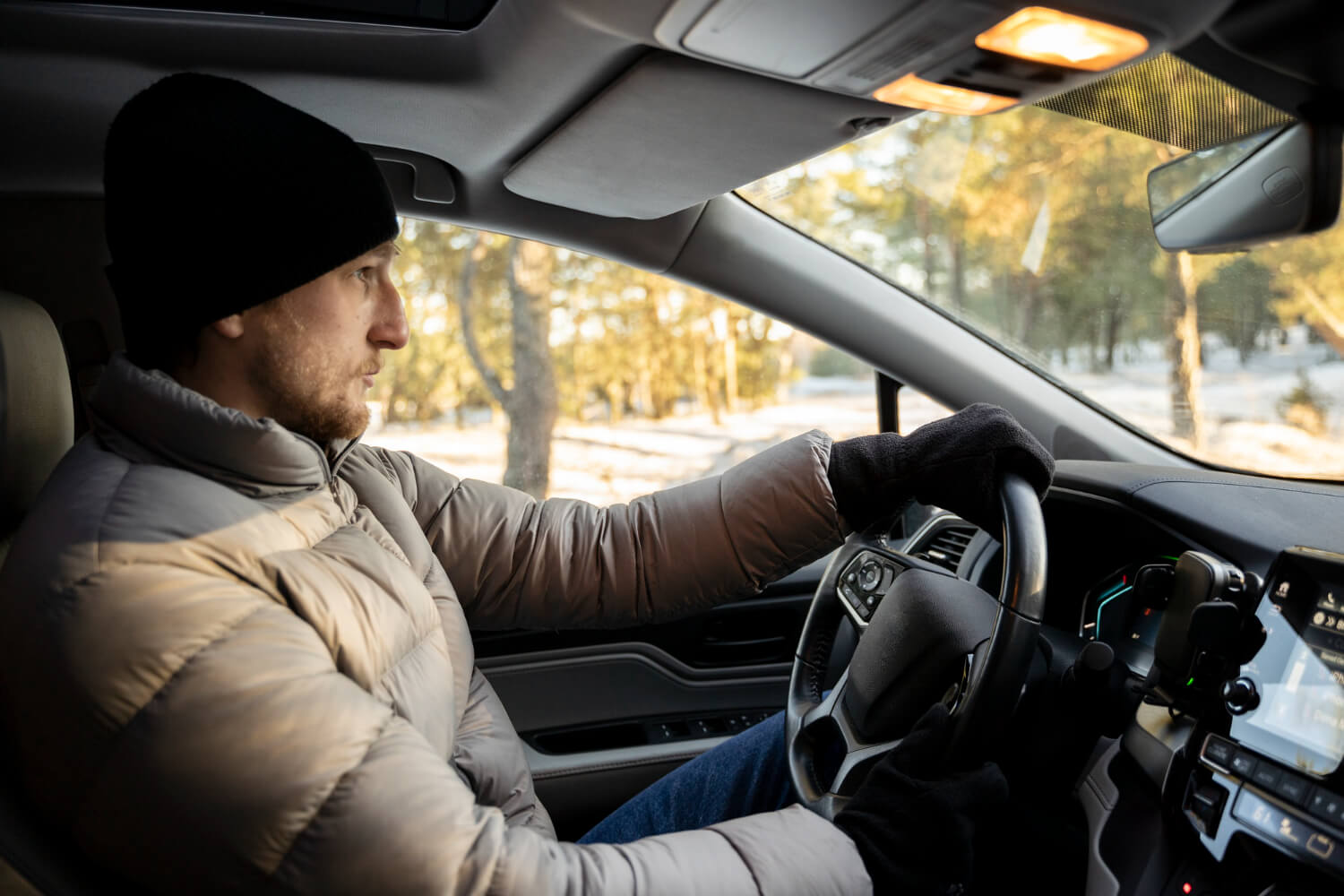
Winter Road Safety Tips For Cold Weather Emergencies
Winter driving can catch many motorists off guard. While winters are mostly dry, cold mornings, heavy mist, frost in certain areas, smoke from veld fires, and darker roads can still create dangerous driving conditions. Many people prepare their homes for winter but overlook how colder weather can affect vehicles, visibility, and reaction times on the road.
A simple breakdown or flat tyre may not seem serious during the day, but it can quickly become stressful if you are stranded on a quiet road during a freezing winter evening.
Winter Roads Can Be More Dangerous
Winter driving conditions can change quickly, especially during the early mornings and evenings. In colder areas, frost can make roads slippery without much warning, particularly on bridges or roads that stay shaded for most of the day. Fog, mist, and smoke from veld fires can also reduce visibility very quickly, making it harder to see vehicles, pedestrians, or hazards ahead. The colder months also mean darker mornings and earlier sunsets, which can increase the risk of accidents during busy commuting hours. Winter weather can affect vehicles too, with flat batteries, lower tyre pressure, and visibility problems becoming more common this time of year.
Slow Down and Stay Alert
One of the biggest causes of winter accidents is driving too fast for the conditions. Even if roads appear dry, visibility may still be poor due to fog, smoke, or low winter sun glare. Drivers should reduce speed during misty mornings and leave more space between vehicles. Using headlights correctly is equally important. Dipped headlights help other motorists see your vehicle during foggy conditions without creating dangerous glare. It is also important to avoid sudden braking or sharp turns on icy or frosty roads, particularly in colder areas where temperatures drop below freezing overnight.
Check Your Vehicle Before Long Trips
Winter is not the time to neglect vehicle maintenance.
Before travelling, motorists should check:
- Tyre pressure and tread.
- Battery condition.
- Brakes.
- Headlights and brake lights.
- Oil and coolant levels.
- Windscreen wipers.
Tyres are especially important during winter. Worn tyres can decrease grip and increase stopping distances, particularly during frosty conditions or on gravel roads. Keeping your fuel tank reasonably full is also a wise precaution, especially when travelling long distances between towns.
Keep Emergency Supplies in Your Car
Keeping a few essentials in your car during winter can make a stressful situation far easier to manage if you become stranded or delayed.
Helpful items to keep in your vehicle include:
- A charged cellphone and power bank.
- A warm blanket or extra jacket.
- Drinking water.
- A flashlight.
- A basic first aid kit.
- Reflective warning triangles.
- Non-perishable snacks for longer trips.
Load Shedding Creates Extra Hazards
Load shedding can make winter driving even more dangerous, especially during rush hour. Traffic lights may stop working, roads become darker, and pedestrians are often harder to see in poor lighting conditions. Drivers should approach intersections cautiously during power outages and never assume other motorists will stop. Pedestrians wearing dark clothing can also be difficult to spot, making it important to slow down and stay alert during winter evenings
Know What to Do If You Break Down
Breaking down on the side of the road can be a frightening experience, especially at night or in isolated areas.
If your vehicle breaks down:
- Pull over somewhere safe if possible.
- Switch on your hazard lights.
- Stay inside the vehicle if you feel unsafe.
- Call roadside assistance or emergency services.
- Share your location with someone you trust.
Emergency Apps Can Help
If you find yourself stranded on the side of the road or facing a dangerous situation, getting help quickly is important.
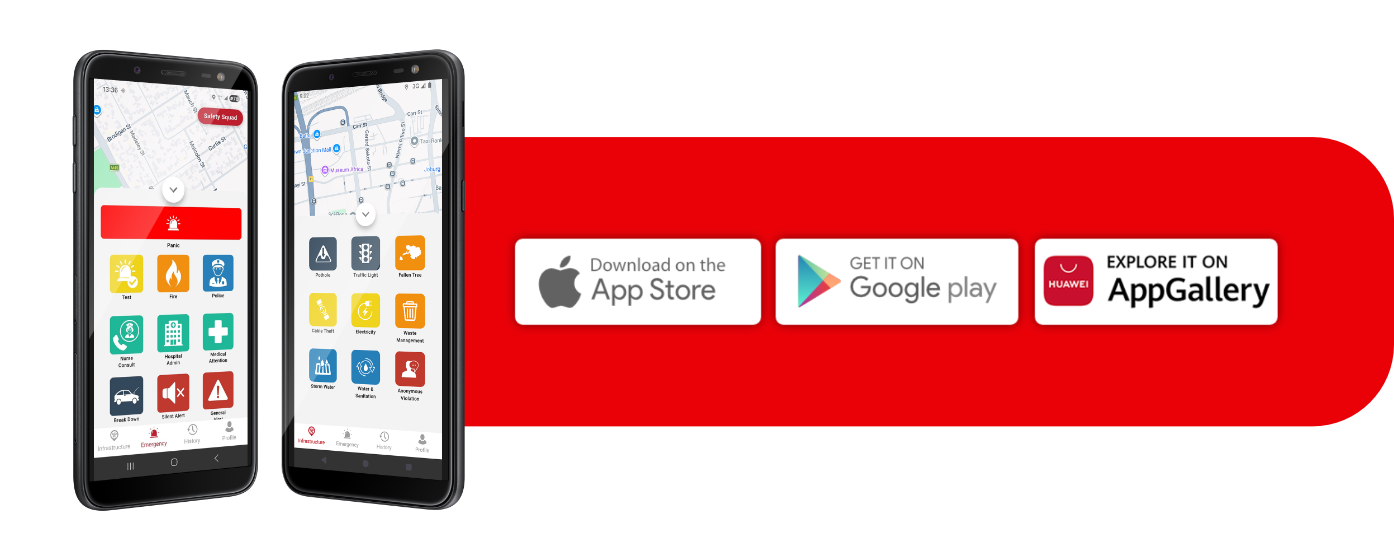
The FREE-to-use multi-award-winning Integrated Emergency Response (iER) app connects users to a 24-hour call centre where response agents help coordinate emergency assistance. Services linked to the platform include roadside assistance, ambulance services, locksmiths, armed response, municipal service delivery reporting , and search and rescue support.
If an emergency alert is activated, the app automatically shares a user’s location, helping response teams provide faster and more accurate assistance when every second counts.
Users can also create a Safety Squad, allowing trusted friends and family members to stay connected and view each other’s live locations for added peace of mind while travelling.
Even careful drivers can face unexpected emergencies. Having the iER app on your phone can help you access emergency support more quickly when you need it most.
With more than one million downloads and two awards at the 2025 FNB App Awards, the app continues to demonstrate its impact, innovation, and the trust users place in it.
A Little Preparation Goes a Long Way
Winter emergencies often occur when people least expect them. While nobody can control the weather or other drivers on the road, being prepared can greatly reduce the risk of a stressful situation becoming dangerous. Checking your vehicle, driving more cautiously, and knowing how to access help when needed can all make winter travel safer. Sometimes, taking a few simple precautions can prevent a much bigger problem later on.