
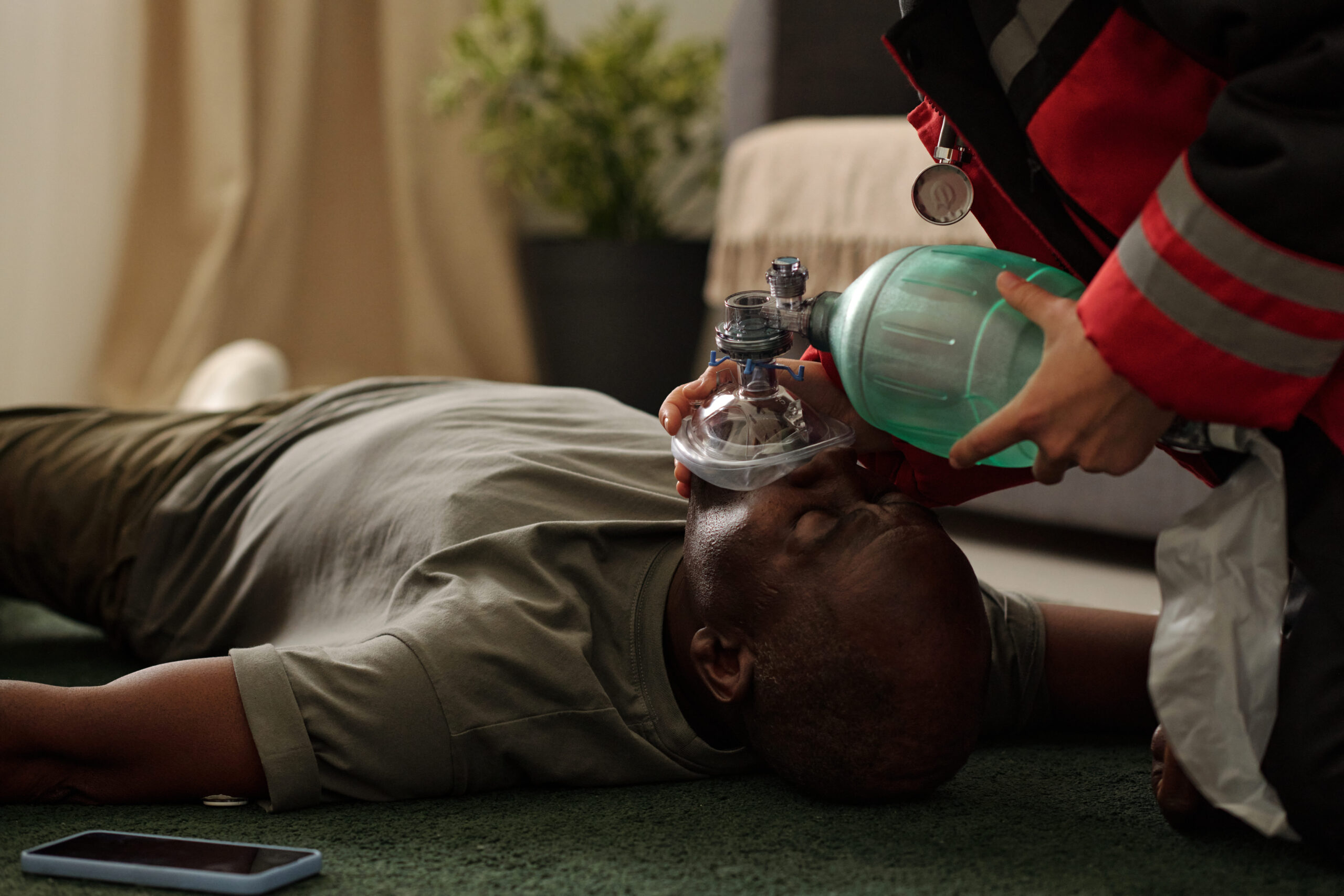
The Most Common Winter Medical Emergencies During Cold Weather
Cold weather can place extra strain on the body, especially during winter when people spend more time indoors and seasonal illnesses become more common. While many winter health problems start off mildly, some can quickly become medical emergencies if warning signs are ignored.
Children, older adults, people with chronic conditions, and those living alone may be more vulnerable during colder months, but winter emergencies can affect anyone. Knowing what symptoms to look out for and when to seek help can make a major difference.
Breathing Problems and Asthma Attacks
Cold air can irritate the airways and make breathing more difficult, especially for people with asthma, bronchitis, chronic lung disease, or recent respiratory infections. Coughs and chest infections may also worsen during winter if left untreated.
Warning signs may include:
- Shortness of breath.
- Wheezing or chest tightness.
- Blue lips or fingertips.
- Difficulty speaking clearly.
- Rapid or shallow breathing.
Heart Attacks and Chest Pain
Cold weather can cause blood vessels to narrow, increasing blood pressure and placing extra strain on the heart. This can be especially dangerous for people with heart disease, diabetes, high blood pressure, or a history of stroke.
Pain, tightness, or pressure in the chest; discomfort spreading to the arm, jaw, neck, back, or stomach; sweating, nausea, dizziness, or sudden shortness of breath may be warning signs of a heart attack.
People should not ignore severe or unusual symptoms or wait for them to pass. Quick medical attention can save lives.
Strokes and Sudden Weakness
Cold weather may also place extra strain on the cardiovascular system, increasing the risk of strokes in vulnerable individuals.
Stroke symptoms usually appear suddenly and may include:
- Face drooping on one side.
- Weakness or numbness in one arm.
- Slurred or confused speech.
- Sudden vision problems.
- Severe headache.
- Loss of balance or dizziness.
A stroke is always a medical emergency. Fast treatment may help reduce long-term complications.
Hypothermia and Cold Exposure
Hypothermia occurs when the body loses heat faster than it can produce it, causing body temperature to drop dangerously low. Older adults, babies, and people exposed to cold weather for long periods are more at risk.
Symptoms may include intense shivering, confusion, drowsiness, slurred speech, slow breathing, pale skin, and poor coordination.
Anyone with suspected hypothermia should be moved to a warm area, covered with dry blankets, and given urgent medical care. Alcohol should be avoided, as it may worsen heat loss.
Falls and Household Injuries
Winter often brings darker rooms, reduced visibility, and more time spent indoors. These conditions may increase the risk of slips, falls, burns, and other household injuries.
Older adults are especially vulnerable to fractures and head injuries after a fall. Medical attention may be needed if someone hits their head, cannot stand, feels dizzy, has severe pain, or appears confused afterwards.
Simple precautions such as good lighting, non-slip shoes, and keeping walkways clear may help reduce risks at home.
Flu, Fever and Severe Infection
Winter illnesses spread easily in homes, schools, workplaces, and public spaces. While most colds and flu cases improve with rest and fluids, some infections can become serious.
Medical help may be needed if someone develops:
- A very high fever.
- Chest pain.
- Difficulty breathing.
- Dehydration
- Confusion
- A stiff neck.
- Symptoms that continue getting worse.
Parents should also monitor babies and young children closely, especially if they are unusually sleepy, struggling to feed, or showing signs of breathing difficulties.
Staying Prepared During Winter
Winter medical emergencies are often unpredictable, but recognising warning signs early can lead to quicker action. Breathing difficulties, chest pain, stroke symptoms, severe infections, hypothermia, and serious falls should never be ignored.
Simple steps like staying warm, keeping chronic medication up to date, checking on vulnerable loved ones, and saving emergency contacts may help reduce risks during colder weather.
With access to emergency medical, roadside, and security assistance through the iER App, users can connect to help faster during emergencies, improving response times and providing added peace of mind when urgent support is needed.