
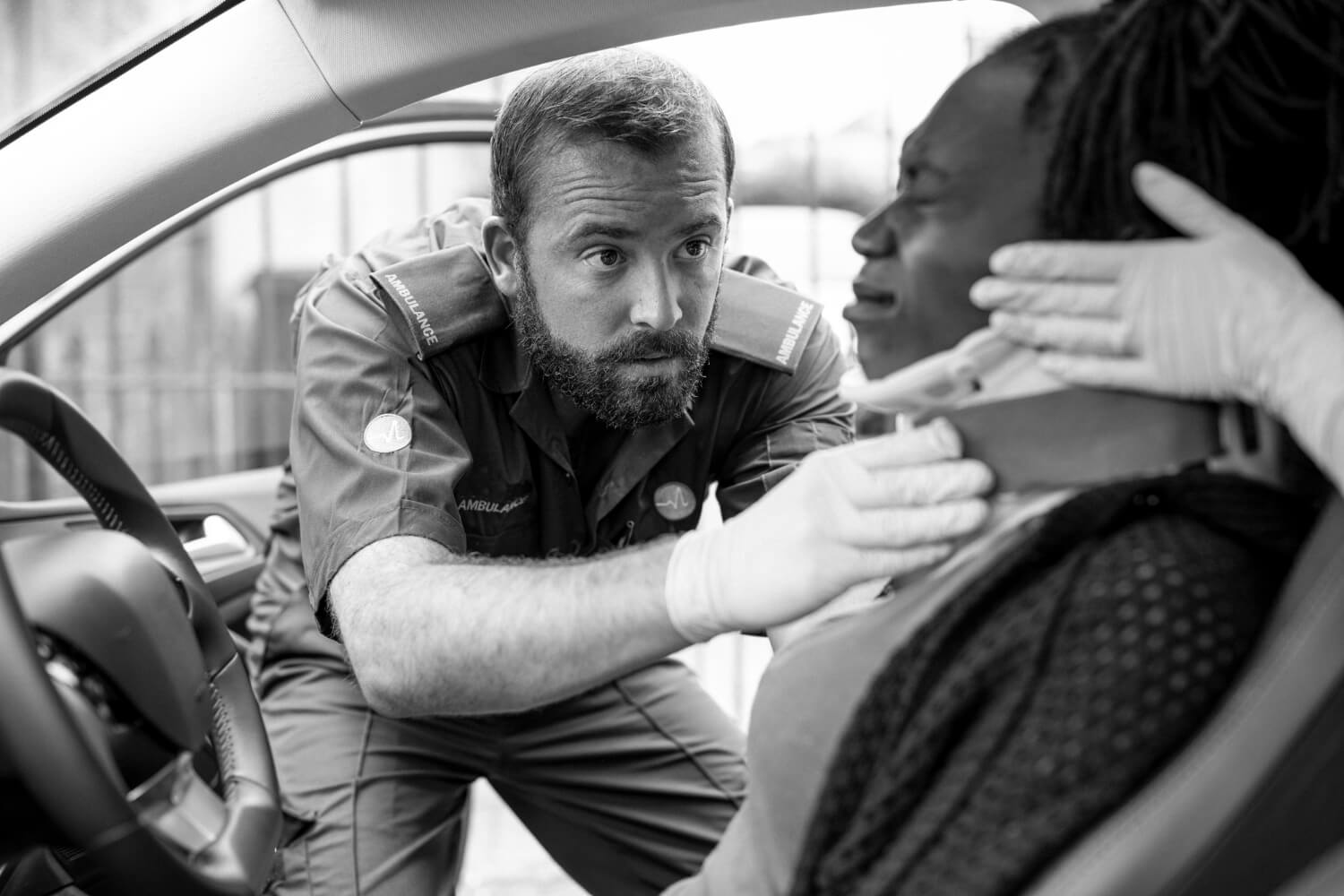
Trapped In A Car Crash? How Rescue Teams Help
Car accidents happen in seconds, but the aftermath can be frightening, especially when someone becomes trapped inside a damaged vehicle. Twisted metal, jammed doors, shattered glass, and panic can quickly turn a crash scene into a life-threatening emergency. In serious collisions, drivers and passengers may be unable to move due to injuries or vehicle damage.
This is where rescue teams play a critical role.
Highly trained emergency crews use specialised rescue equipment and extraction techniques to free trapped occupants as quickly and safely as possible. One of the best-known tools used during these emergencies is commonly called the “Jaws of Life”.
What Are the Jaws of Life?
The “Jaws of Life” refers to hydraulic rescue tools designed to force open or cut through damaged vehicles after serious accidents. The equipment is used to help paramedics and rescue teams remove injured people trapped inside crushed vehicles. Modern cars are built using strong materials designed to absorb impact and help protect passengers during collisions. However, during severe accidents or rollovers, parts of the vehicle can collapse inward, trapping people inside. The hydraulic rescue tools are powerful enough to split open damaged sections of a car, remove doors, or create space for emergency teams to safely reach injured passengers.
Why People Become Trapped After Crashes
In a serious collision, a vehicle can sustain severe damage within seconds. Doors may jam shut, roofs can collapse, and dashboard components may shift during impact.
People are often trapped because of:
- Crushed doors.
- Collapsed roofs.
- Jammed seatbelts.
- Damage around the dashboard area.
- Injuries that make it difficult or impossible to move.
Although many people want to help immediately after an accident, moving an injured person too quickly can sometimes make injuries worse, especially if the neck, spine, or internal organs have been affected.
This is why rescue teams work carefully to free trapped victims as safely and quickly as possible
What Happens When Rescue Teams Arrive?
When emergency teams arrive at a crash scene, their first priority is securing the area and assessing the dangers.
This typically involves:
- Checking for fuel leaks or fire risks.
- Stabilising the damaged vehicle.
- Assessing injured passengers.
- Managing traffic around the scene.
- Planning the safest extraction method.
Paramedics and specialised rescue teams often work closely together during these emergencies. In severe crashes, parts of the vehicle may need to be completely cut away to safely remove trapped occupants. Rescue teams are often racing against time during these incidents, particularly when vehicles have been badly crushed.
Quick Emergency Response Matters
In serious accidents, every minute can matter. A trapped passenger may experience breathing difficulties, internal injuries, shock, or severe bleeding. Fast emergency response during what is often called the “golden hour” can play a crucial role in improving a victim’s chances of survival and medical recovery. At the same time, rescue crews must be cautious not to rush blindly into an extraction if it could pose a risk of causing further injuries. Rescue teams often have to work quickly while ensuring that injured people are removed as safely as possible.
Why Bystanders Should Be Careful
After witnessing a serious crash, many people instinctively want to help. However, interfering with rescue operations can sometimes increase the risk to victims or rescuers.
Bystanders should avoid:
- Pulling injured people from vehicles.
- Standing too close to the rescue equipment.
- Blocking emergency vehicles.
- Smoking near damaged cars.
- Crowding the scene.
Emergency Apps Can Help During Serious Accidents
During a serious accident, reporting the incident quickly and sharing an accurate location can help emergency services respond faster.
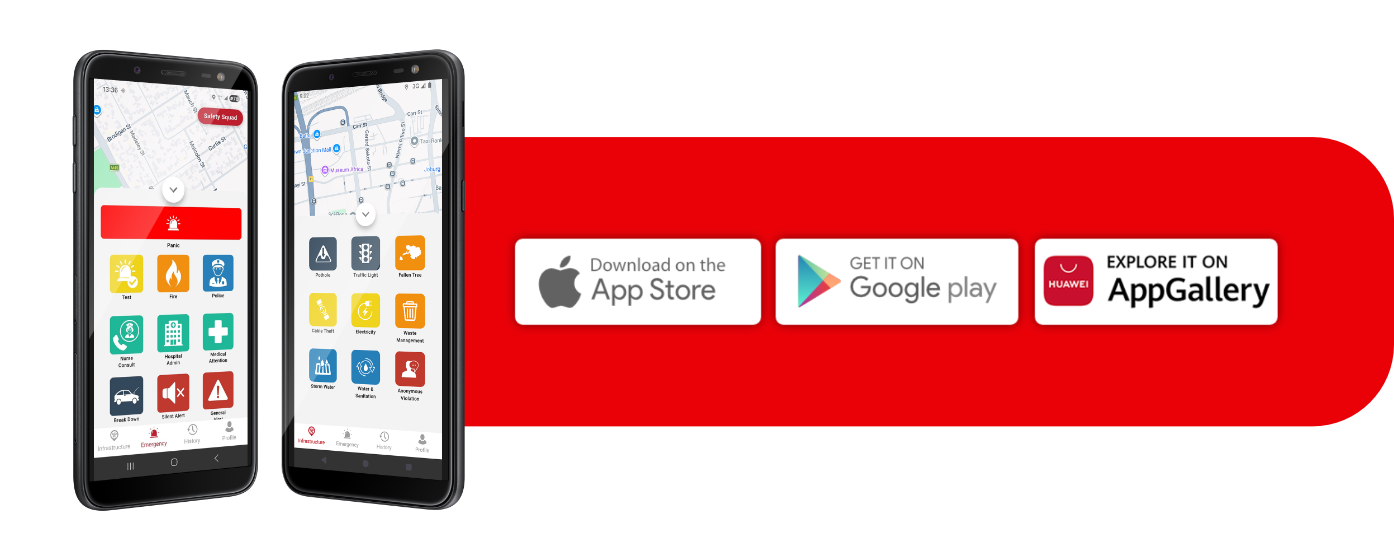
The Integrated Emergency Response (iER) app is a FREE award-winning emergency response app that has been downloaded more than one million times. It connects users to emergency services 24 hours a day, seven days a week through a 24-hour call centre, where response agents assess incidents and help coordinate emergency assistance.
If an emergency alert is activated, the app’s Live Tracking feature can automatically share a user’s location, helping response teams provide faster and more accurate assistance when every second counts.
Users can also create a Safety Squad, allowing trusted friends and family members to stay connected and view each other’s live locations for added peace of mind.
Rescue Teams Work Under Extreme Pressure
Most people do not think about vehicle rescue until they witness a serious crash firsthand. Behind every successful extraction is a team of trained professionals working quickly and carefully to free trapped victims while trying to prevent additional injuries.
While nobody expects to be involved in a major collision, a quick emergency response can make a critical difference during life-threatening situations. Having access to emergency support and location-sharing tools, like the iER App, can help ensure that assistance reaches the scene as quickly as possible.