
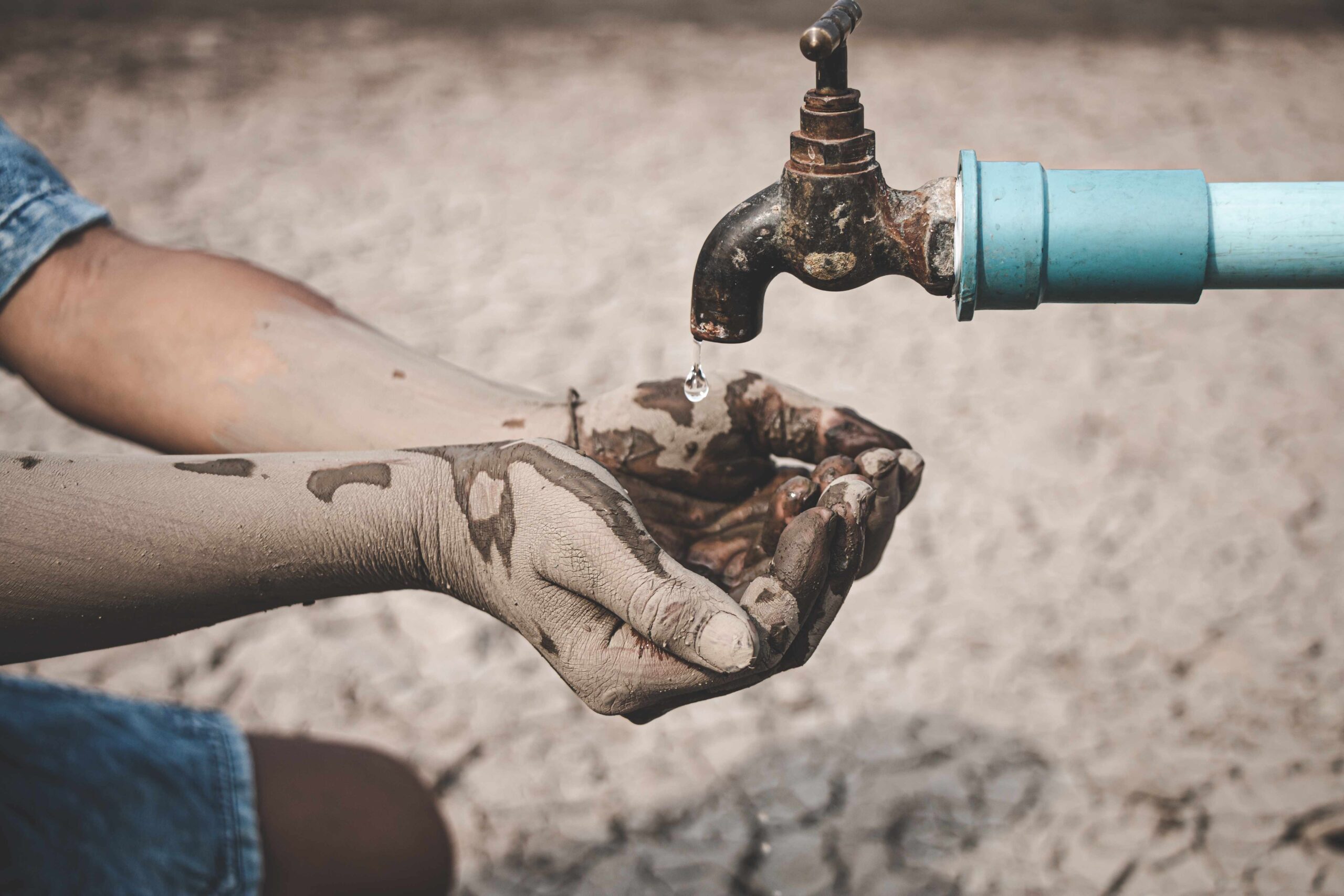
Water Shortages and Outages: Managing Household Emergencies During Heat Waves
Water shortages and unexpected outages are no longer rare disruptions in the country; they are now part of everyday life, especially during periods of extreme heat. When temperatures rise, water demand can increase significantly while infrastructure is placed under strain, making even short interruptions quickly escalate into household emergencies. Read on to learn more about water shortages and outages, and how you can manage your household emergencies.
Why Heat Waves Make Water Outages More Dangerous
Water interruptions are inconvenient at any time, but during heat waves, they become significantly more dangerous. For instance, high temperatures increase fluid loss from sweating. On the other hand, the lack of adequate running water limits the ability to cool down, clean wounds, prepare food safely or maintain sanitation.
In these conditions, you should treat water loss as a safety issue instead of a service inconvenience because these outages can contribute to:
- Dehydration and heat exhaustion.
- Increased risk of heat stroke.
- Poor hygiene leading to illness.
- Increased fire risk during heat waves.
- Medical emergencies for vulnerable individuals.
- Increased stress, panic and unsafe coping behaviours.
Who Is Most at Risk During Water Outages
Not everyone is affected equally when the water supply is disrupted. This is why certain groups face heightened danger during heat-related outages, because the disruption can lead to medical emergencies if they’re not managed properly. Your home is a high-risk household if it includes:
- Young children.
- Elderly residents.
- Individuals with cardiovascular disease, diabetes or kidney disease.
- Anyone on medication requiring hydration.
- Caring for sick or immobile individuals.
- Informal dwellings with limited storage capacity.
Immediate Steps to Take When Water is Cut Off
The first moments after discovering a water outage are the most critical. It’s common for panic to heighten, often leading to poor decisions and wasted resources. However, maintaining a calm, structured response can help reduce the risk, especially when you notice that the outage coincides with extreme heat, which can escalate dehydration.
These are some considerations when you notice that the water supply is interrupted in your area:
- Confirm whether the outage is localised or widespread.
- Check official alerts if available.
- Log a service interruption issue on the FREE-to-use iER App.
- Conserve existing water immediately.
- Prioritise drinking and medical needs over cleaning.
- Avoid unnecessary flushing or water use.
- Keep children and elderly residents cool and shaded to reduce the risk of dehydration.
Managing Dehydration and Heat-Related Illness
Heat-related medical emergencies can develop quickly, especially without access to water. Recognising early symptoms allows for a faster response. If symptoms worsen or include confusion, collapse or loss of consciousness, immediate emergency assistance is required.
Appropriate emergency responders can be contacted by sending an instant alert on the multi-award-winning FREE-to-use iER App. Connect with medical response teams immediately when you notice these early warning signs of dehydration and heat exhaustion:
- Dizziness or fainting.
- Headaches.
- Dry mouth and lips.
- Dark or reduced urine output.
- Fatigue or confusion.
- Rapid heartbeat.
- Nausea or vomiting.
Hygiene and Sanitation During Water Shortages
Lack of water directly affects your hygiene, increasing the risk of infections and illness, especially during a heatwave. Common health issues that you may be vulnerable to during water shortages include gastrointestinal disease, skin infections and secondary medical emergencies.
Reducing these potential health risks is important. For example, consider using a sanitiser when you cannot wash your hands, avoid preparing high-risk foods that usually require extensive rinsing, and ensure you clean your wounds properly with antiseptics. These are some proactive measures to help improve your hygiene and prevent related illnesses while navigating a limited water supply in your household.
Preparing Your Household Before a Water Outage Happens
Preparation helps turn disruption into something you can manage. This is why households that plan experience fewer emergencies. When you prepare for water outages, you can consider these practical steps:
- Store clean drinking water in sealed containers.
- Keep oral rehydration salts or electrolyte solutions available.
- Maintain basic first-aid supplies.
- Identify cooling strategies that do not rely on water.
- Keep emergency contacts accessible.
- Ensure the FREE-to-use iER App is installed and functional.
Water shortages during heat waves are not just service interruptions; they should be considered household emergencies in the making. This is why managing them safely requires awareness, preparation, and rapid access to emergency support when conditions worsen than you anticipated. With the FREE-to-use iER App, you can navigate these disruptions with confidence, even when they escalate into a medical emergency; you will always have immediate access to nationwide medical and non-medical response teams, 24/7.