
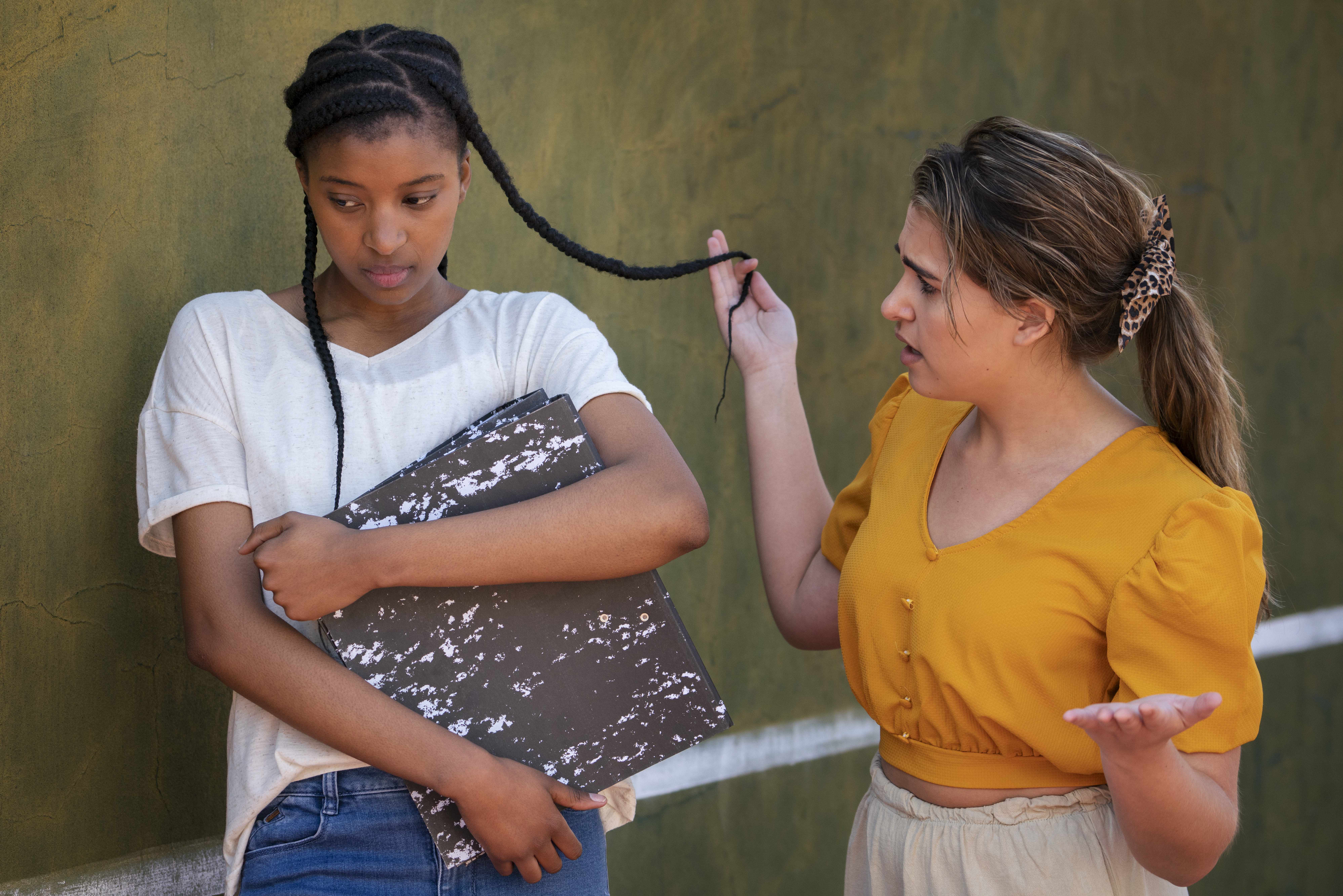
When Bullying Becomes A Safety Risk: Knowing When To Reach Out For Urgent Help
Bullying is sometimes brushed off as a normal part of growing up, but for many children and teenagers, it is far more serious than simply name-calling or playground disagreements. In fact, an estimated 3.2 million learners are bullied each year, and more than half of learners report being victimised at least once, with many cases going unreported because children fear it won’t help. These experiences can lead to deep emotional, psychological and even physical harm, affecting confidence, wellbeing and school performance. Knowing the warning signs and acting quickly can help prevent long-term harm and, in some cases, save a life.
Bullying Today
Bullying is not limited to the school day. It can extend beyond the classroom through online harassment, threatening messages, social exclusion, and the sharing of harmful content that can follow a child home. This means that children can be targeted and bullied even after they have left school, with the effects lasting late into the night.
This constant exposure makes cyberbullying particularly harmful. Many teens feel as if they have no safe space to escape to, which can deepen feelings of anxiety, depression and isolation. Since online abuse can escalate rapidly, sometimes involving intimidation or public humiliation, it should always be taken seriously.
Warning Signs
Children and teenagers often hide bullying because they feel ashamed, afraid or worried the situation may worsen. This makes it especially important for parents and caregivers to notice changes in behaviour.
Common warning signs include:
- Sudden withdrawal from friends or favourite activities.
- Unexplained injuries or damaged belongings.
- Changes in sleep patterns or appetite.
- Avoiding school or social situations.
- Mood swings, anxiety or ongoing sadness.
- A drop in academic performance.
- Talking about feeling hopeless or unsafe.
In more serious situations, bullying may lead to thoughts of self-harm or suicide, which require immediate professional support.
When Bullying Becomes a Safety Emergency
Bullying becomes a serious safety concern when:
- There are threats of physical harm.
- A child is being followed, harassed or intimidated.
- Online abuse escalates into direct threats or exposure.
- The child expresses fear for their safety.
- There are signs of self-harm or suicidal thinking.
At this stage, the situation is no longer only a school issue — it is a personal safety emergency that requires urgent attention and support.
Immediate Steps Parents and Teens Can Take
If bullying escalates or a child feels unsafe, taking quick action is essential.
Take every concern seriously.
Dismissing bullying as “just teasing” can prevent children from speaking up.
Keep evidence of online abuse.
Screenshots and saved messages may help schools or authorities intervene.
Inform the school or responsible adults.
Schools have a duty to protect learners and address harmful behaviour.
Seek emotional support early.
Counsellors, psychologists and support groups can help reduce long-term trauma.
Get urgent help if safety is at risk.
Threats, violence or self-harm concerns should always be treated as emergencies.
How Technology Can Help Children Reach Support Faster
During times of distress, young people may struggle to articulate their situation or know who to reach out to for help. Having quick and easy access to support can make a significant, and sometimes life-saving difference.
The iER mobile app was created to quickly connect individuals with assistance in emergencies or emotionally challenging situations. It provides access to social services that offer counselling support and practical guidance when help is needed most.
The app is available for free download on the Google Play Store and Apple App Store and Huawei App Gallery, connecting users directly to a 24-hour call centre. When location services are enabled, response teams can pinpoint the user’s GPS position, enabling support to reach them more rapidly.
Creating Safer Spaces for Children and Teens
Bullying often thrives in silence. Open conversations at home, supportive school environments and quick access to help all play an important role in protecting young people.
Parents can encourage children to:
- Speak up as soon as something feels wrong.
- Stay connected to trusted adults.
- Avoid responding to online provocation.
- Seek help the moment they feel unsafe.
No Child Should Face Bullying Alone
Bullying is never a harmless rite of passage when it causes fear, emotional pain or trauma. Recognising the warning signs, responding quickly and ensuring access to support can protect both mental health and personal safety.
By staying alert, keeping communication open and making sure help is always within reach, families can create safer environments where children and teenagers are able to grow with confidence.
And when urgent support is needed, tools like the iER app offer a fast and simple way to connect to the right assistance — providing reassurance that no one has to face bullying or distress alone.