
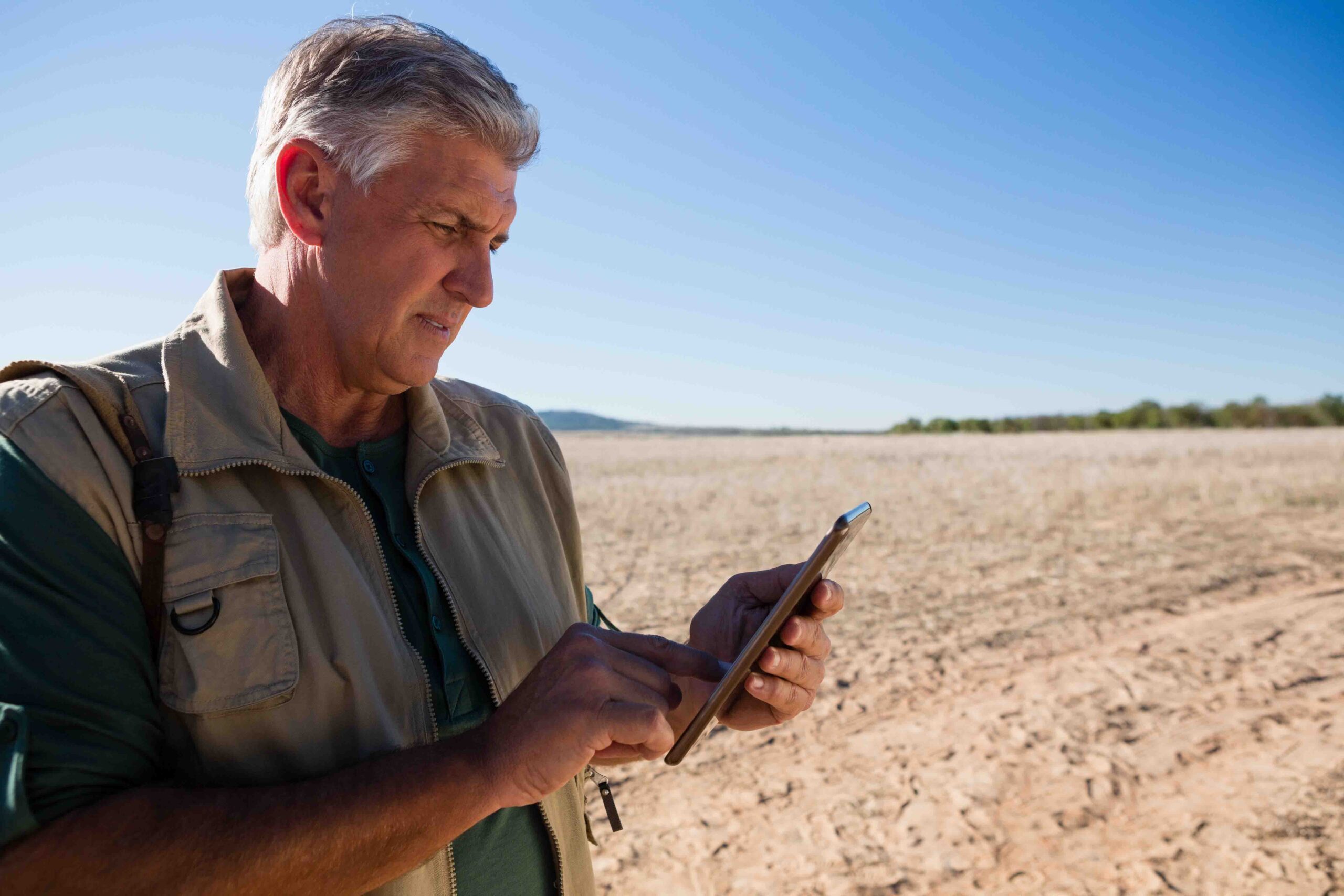
The Truth About Navigating Emergencies In Remote Areas
In quieter areas, such as small towns, townships on the outskirts, and deep rural areas, emergencies can be challenging to navigate. Access to fast, reliable emergency response services can be a gamble for most people outside of urban areas. Whether you’re facing a medical emergency, violent crime, or a dangerous accident on a dirt road far from a hospital, your odds of survival can come down to how quickly help arrives.
This is the harsh reality millions of South Africans face daily. However, with access to the right technology and an efficient emergency support system like the FREE-to-use iER App, you can find immediate assistance even in remote areas. Read on to discover the scary truth about navigating emergencies in remote areas.
Emergencies Require Urgent Response Times
Public emergency services are often overstretched and underfunded in rural areas. According to research, ambulances in some provinces can take up to four hours to respond in rural zones, compared to under an hour in major city centres. In life-threatening scenarios like strokes, heart attacks, or trauma from violent crimes, delayed responses often mean the difference between life and death.
Rural communities often depend on under-resourced clinics, have limited mobile reception, or lack immediate emergency medical services and transport to larger treatment facilities. Families usually try to help themselves without medical training when no ambulance is available. This can result in further trauma to the victim being transported on poor-quality roads without appropriate medical equipment to help minimise internal injuries, bleeding and related shock before being treated at the emergency room.
How the iER App Is Redefining What Emergency Support Looks Like
The Integrated Emergency Response (iER) platform was designed with such emergency scenarios in mind. Unlike traditional emergency services that may not always reach rural areas in time, the FREE-to-use iER App relies on technology, networks, and real-time location data to help bridge the gap between urgent need and reliable help, no matter where the incident happens.
The app is free to use and operates with data and enabled location settings to ensure medical and non-medical emergency services are dispatched exactly where you are. That means even in resource-limited communities where access to ambulances and related emergency evacuation personnel is minimal, IER can still function as a lifeline.
How iER Works in Rural Settings
If you are in a remote area and you activate the FREE-to-use iER App, here’s what you should expect to happen:
- Immediate GPS Tracking: When your location settings are enabled, the emergency contact centre can pinpoint your location. This ensures your location is relayed to the appropriate emergency response units for immediate dispatch and assistance.
- Triage and Routing: A trained operator assesses your emergency and connects you to the right responder depending on whether it’s medical, fire, trauma, or police assistance.
- Partner Networks: iER has a national network of over 18,000 response partners from private medical services to community-based responders, ensuring that even the most remote alerts receive urgent and adequate response.
- Continuous Monitoring: While you wait for help, iER monitors your situation and stays in contact, offering guidance or support until responders arrive.
Why Remote Areas Should Rely on the iER App
South Africa’s rural population remains deeply underserved in terms of emergency infrastructure. Violence, poor road conditions, natural disasters, and limited access to clean water increase the risk of emergencies. Even with smartphones becoming more accessible in informal and remote settlements, there are still concerns about delayed emergency response times.
This makes an emergency app like the FREE-to-use iER App increasingly important to bridge the gap with access to immediate assistance. It brings the same emergency awareness, access, and response to a rural user as someone based in the city. It’s a reliable system that saves lives in an emergency or life-threatening crisis.
What You Can Do Today
- Download the FREE-to-use iER App from the Google Play Store, the Apple App Store, or the Huawei App Gallery.
- Share it with your community — Especially elderly residents, caregivers, and schoolteachers in remote areas.
- Learn how to use it — Emergency tools work best when everyone knows they exist. So, teach your children, relatives and community how to navigate the app to use the app to access the panic button widget, send a silent or general alert and how to create a case ticket.
Emergencies don’t discriminate when and where they happen. However, easy access to emergency services still doesn’t exist for everyone. The good news is you can rely on the FREE-to-use iER App as your safety companion wherever you are in the country. With access to a nationwide network of over 18,000 medical and non-medical emergency responders, help can reach you even when you live in a remote and underserved area.